
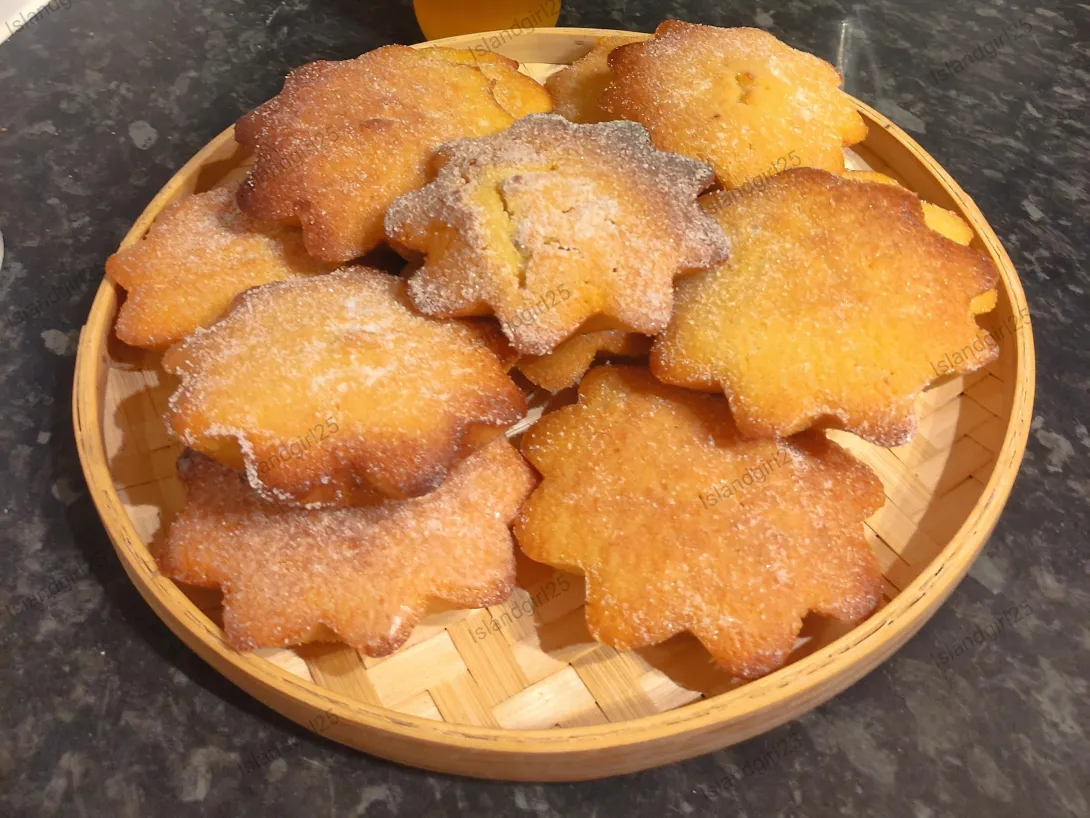
I have been feeling homesick these past few days. Since moving to the UK 2 decades ago, I have always reached back and reclaimed my Filipino roots through food. Not just any kind of food but food that nourishes the soul. Food that brings me back to my island roots. All the memories captured and stored in my psyche by all the delicious and wonderful snacks and dishes I grew up savouring. The only way I can feed that nostalgia is by trying to recreate the food that shaped and nourished my childhood.
One of the foods I miss a lot is the famous torta bisaya, an extremely rich and unctuous sponge cake that is served during fiestas or feast days. I first tasted torta when I was studying uni in Dumaguete, the capital of Negros Oriental Tortas are made with a ton of egg yolks and an equally hefty amount of aged pig’s lard from the previous year’s celebration both of which apparently extend the cakes’ shelf life and make the crumb more tender as they are stored longer. The batter is poured into fluted ensaimada moulds and baked in a “hurno” or “pugon” – a clay or metal oven that is fired with dried coconut husks. The cakes absorb the smoky aroma from the burning coconut charcoal which somehow elevates its taste profile.
I remember tasting my first torta in Siquijor. A classmate invited me to their town’s annual fiesta celebration in Olo, a little barangay near a small river that empties out into the beautiful white sand beach. My friend’s mum had to specially order the tortas from an artisan baker because not everybody could make them. “Inantigo“ was the word they used when I asked why they didn’t just bake their own tortas. Only a select few knew the secrets of making traditional torta the ancient way without commercial yeast or baking powder, and by just using tuba (the strong local toddy made from the coconut palm sap) as leavening. Because of this, not everybody could serve torta as the prized centrepiece at their fiesta table. The woman personally delivered the tortas in a huge bilao (round woven bambo tray) and they were still warm under the swaddling of banana leaves. They smelled heavenly!
Over the course of my studies and stay in Dumaguete, I’d tasted different tortas from different parts of the Visayas and Mindanao; from Argao to Bohol to Cagayan de Oro, brought as gifts by classmates and friends from their home provinces. They all tasted delicious and slightly different but they all shared the characteristic richness from the overload of egg yolks and pork lard while also having the faintest hint of tanginess from the fermented tuba.
I wanted to recreate the torta from my student days in the Visayas so I went about researching for a good recipe as a starting base. I found a YouTube video of a famous torta in Argao, Cebu called Jessie’s torta which gave me an idea about the key ingredients. I also found another YouTube video from Chef Rose of Caro and Marie and a blog by PalwithnoovenP from The Fresh Loaf website. Out of the three, Chef Rose uses baking powder in her recipe and not some sort of fermented starter. PalwithnoovenP uses a sourdough wheat flour starter which I think is ingenious. Jessie still makes her torta the old and tested way with tuba.
I wanted to make a torta that was as authentic as possible. I knew that I would never be able to recreate a real artisanal torta bisaya because 1) I don’t have a “hurno” and 2) it would be impossible to get tuba here in the UK. I, however, loved the idea of using a starter or something that was naturally fermented as a leavener. I searched online for palm wine and found some sold in the African and Carribean shops. Then while falling into the rabbit hole, I discovered a fermented drink called tepache and eureka! I decided to make my own tepache.
Tepache is a traditionally Mexican fermented beverage made from the peel and the rind of pineapples, and is sweetened either with piloncillo (a type of raw sugar) or brown sugar and often flavoured with cinnamon. – Wikipedia
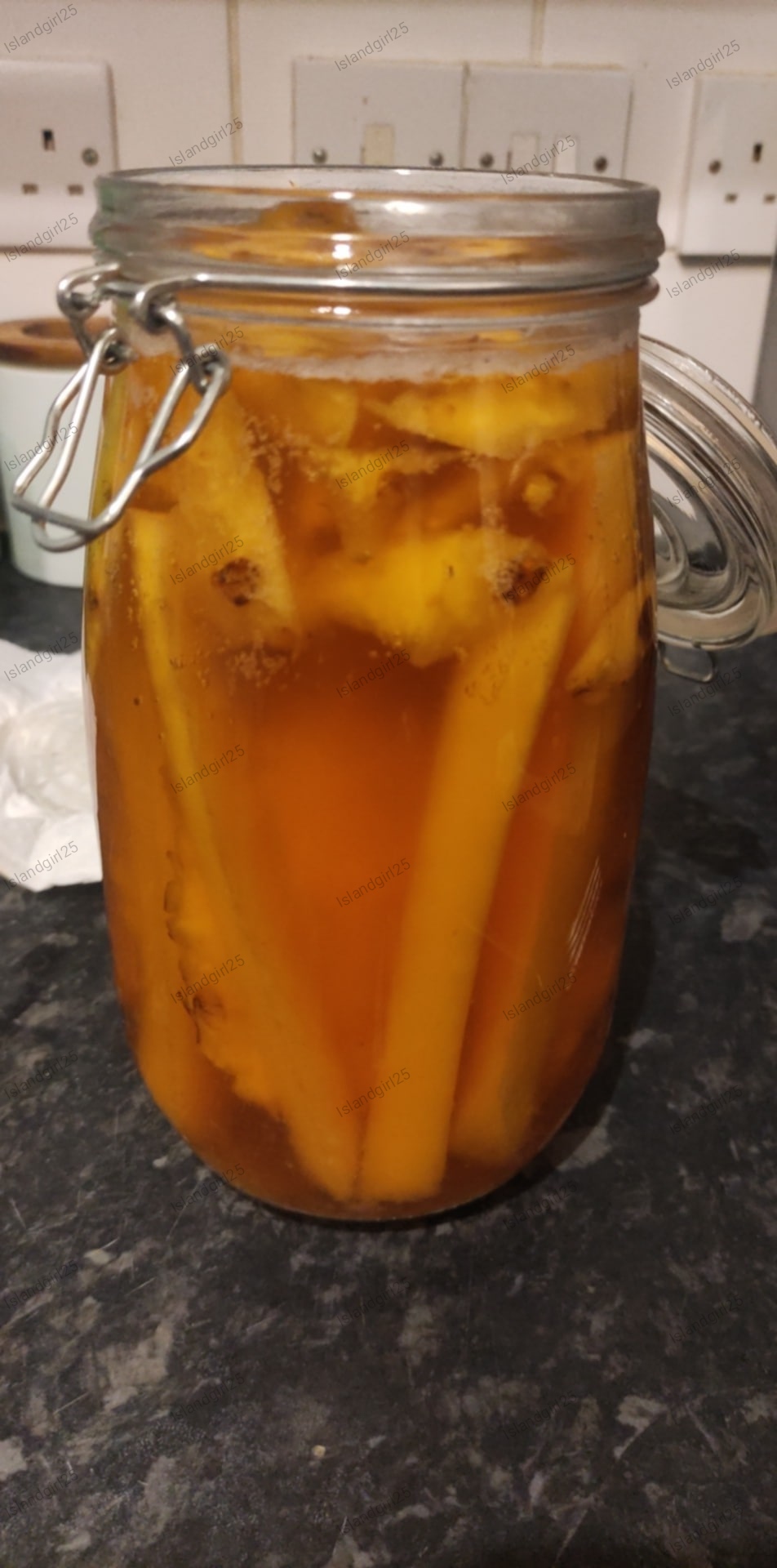
I made tepache one weekend from the peels and core of a pineapple I bought from the supermarket and some Indian jaggery that was languishing in my cupboard. I made sure to wash the pineapple skin very well to get rid of any chemicals and dirt. I followed a simple recipe without the spices and put all the ingredients in a large kilner jar and covered it with cheese cloth. After 24 hours there was already a lot of tiny bubbles on the surface of the liquid and after 36 hours I tasted it and it already had the very slight tang which was a telltale sign of fermentation. It tasted sweet and refreshing. I poured the liquid through a cheesecloth strainer into bottles which went straight in the fridge. I read that tepache ferments very quickly once the bacteria starts growing and can turn to vinegar if left too long at room temperature.
The Spanish word for cake is torta and these little delicious cakes were probably influenced by the colonisers’ patisseries made by their Filipino slaves in their masters’ kitchens. The resourceful indigenous Filipinos made use of tuba as a substitute for baker’s yeast to come up with these delightful copycat cakes. Almost feels like a subtle form of subversion if you ask me. :)
I used Jessie’s recipe as a base but I liked Chef Rose’s idea to use both butter and oil. I could already feel my arteries already constricting and hardening thinking about the amount of lard going into my tortas! I thought the butter would impart a nice flavour to complement the lard and it would make the cake a little lighter in texture. Anise seeds were usually added to traditional tortas as they were the most popular flavouring ingredient for sweets in the old world. I sprinkled anise seeds into half my tortas and kept the other half plain while also adding some vanilla extract for extra flavour. Other than that, I stayed as faithful to Jessie’s recipe as I much as I could.
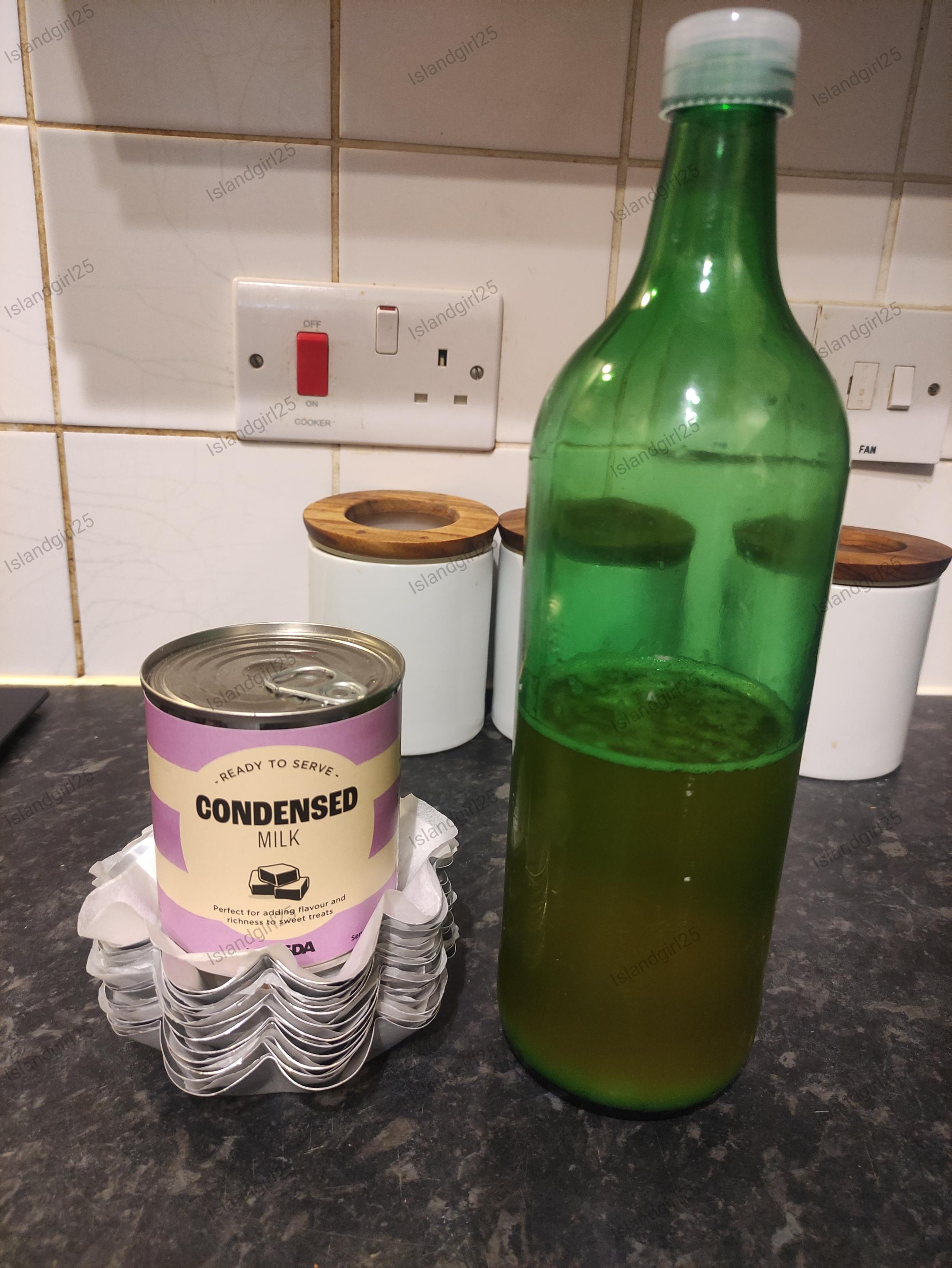
I used my home-made tepache as a tuba substitute to make the batter rise. The bottle of tepache let out a loud hiss when I removed the cap and that made me happy. It meant lots of potency and fermentation was happening. After mixing all the ingredients, I let the batter rest in a pre-heated low temperature oven with a jug of hot water for steam. All in all it took me around 5 hours to see the large bubbles start breaking the surface of the batter. Then I decided to start baking my tortas
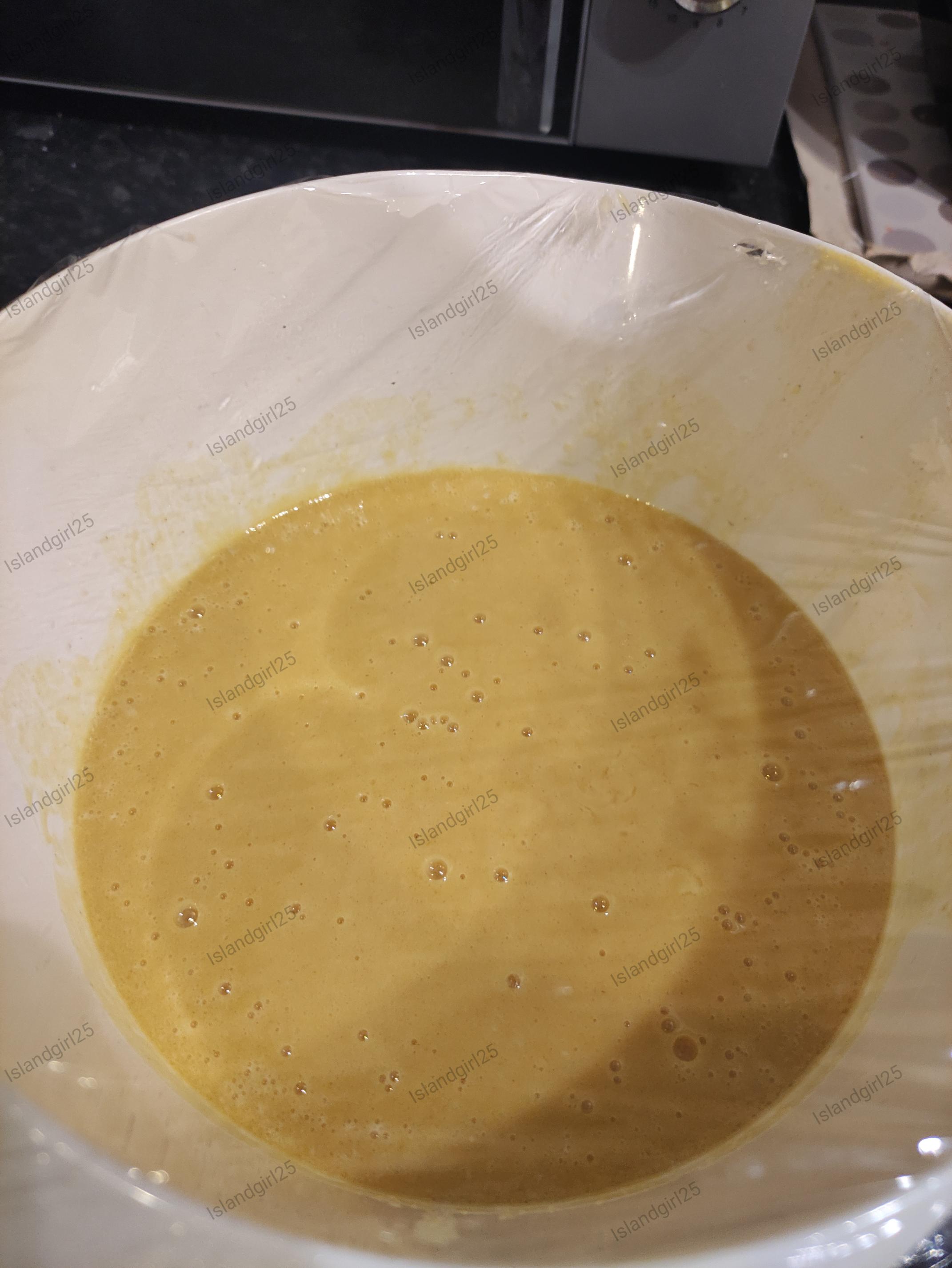
Following PalwithnoovenP’s lead, I preheated my fan-assisted oven to 180 C and baked my tortas for 5 minutes then lowered the heat to 160 C and continued to bake for another 25 minutes. Like all consummate bakers already know, not all ovens are created equal and my oven always starts to nuke everything on the right side first so after 15 minutes, I turned the baking sheet the other way which I think cost me a further rise in the other half of my tortas. But they all seem to have risen enough I think and I am quite happy with my first attempt at using tepache as a leavening agent.
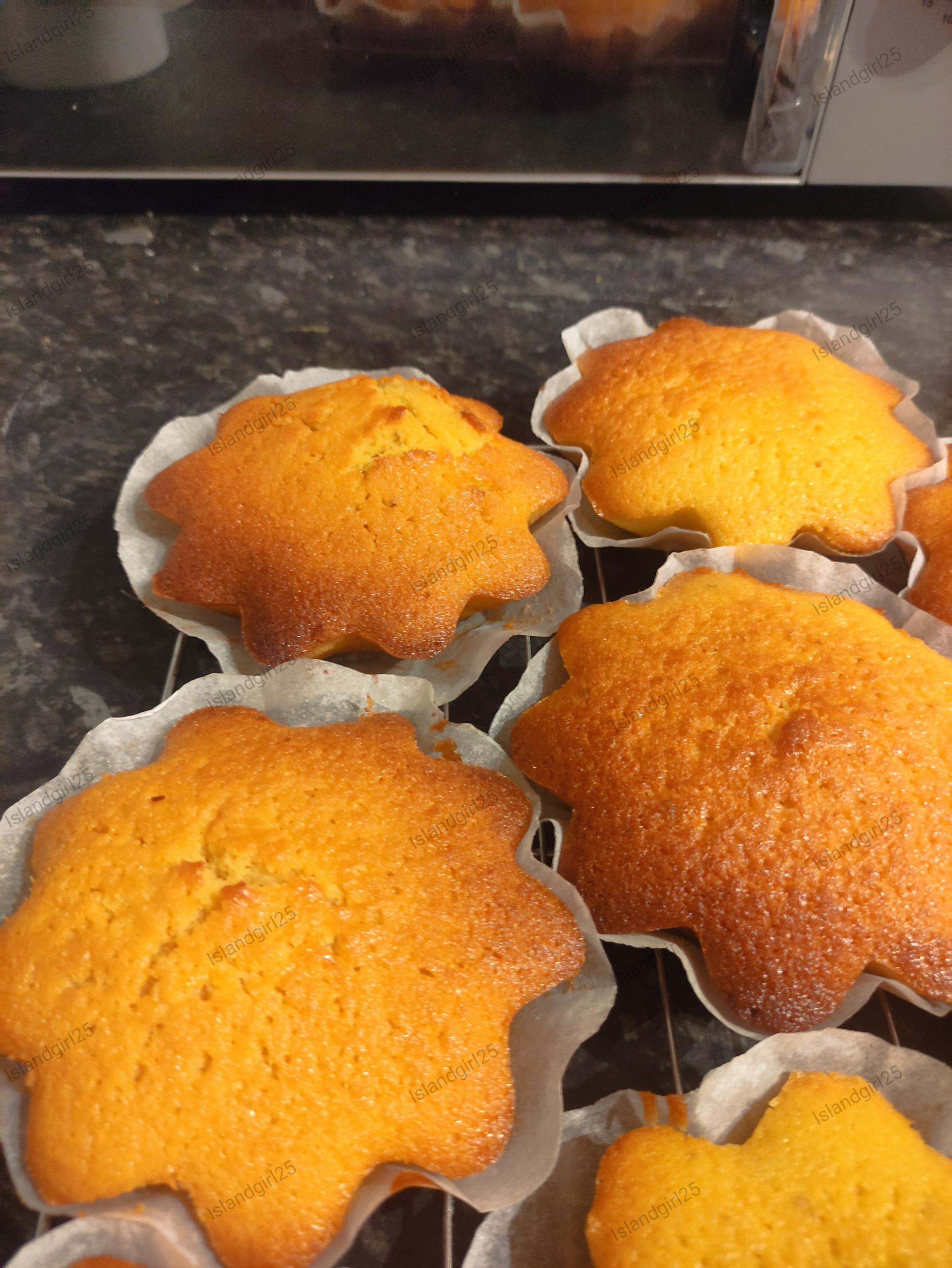
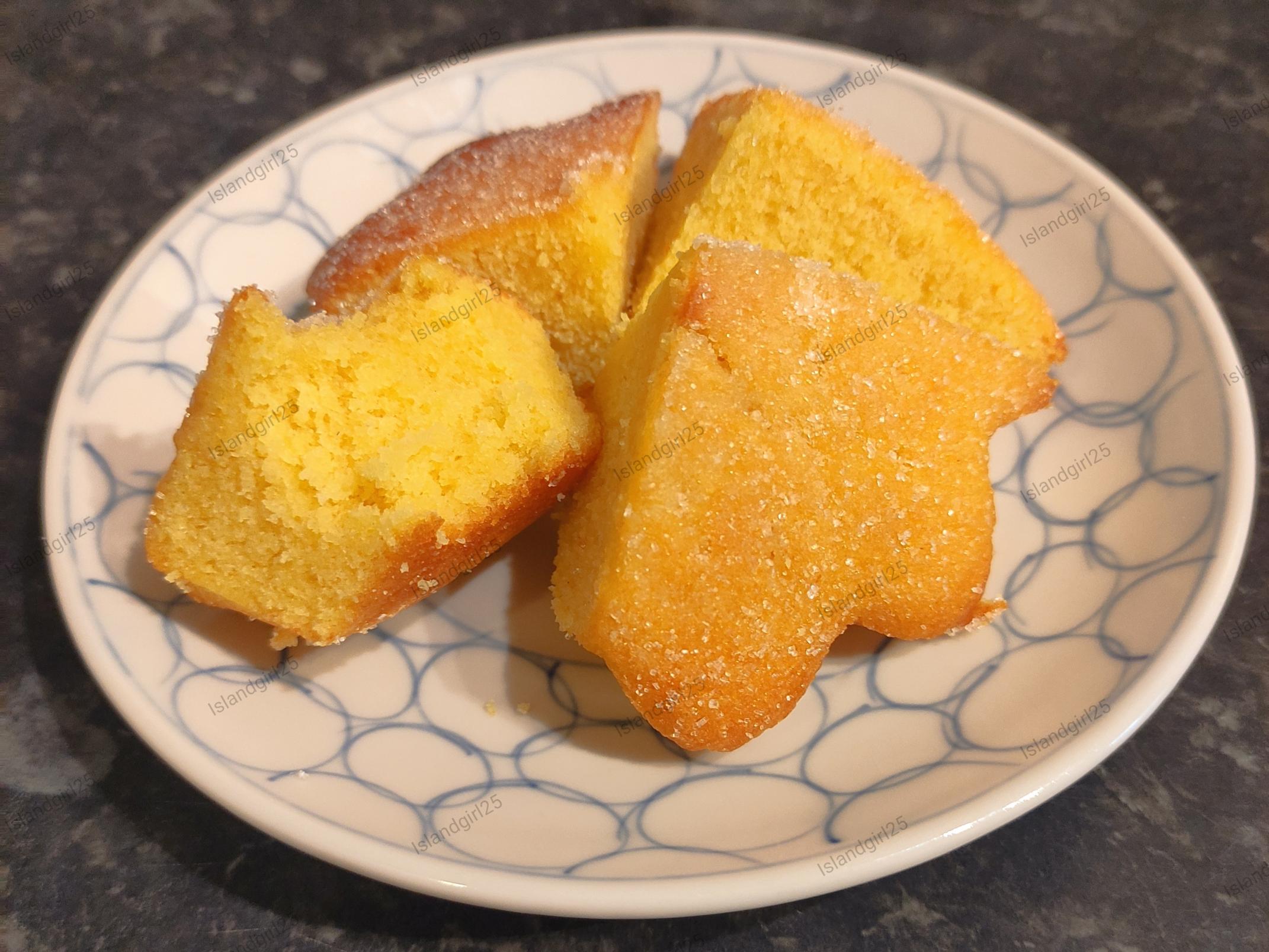
The next important step was the look and taste test. They all seem to have acquired some good browning and caramelisation on the surface. They were pretty soft and tender when gently squeezed. I let them cool and then brushed with melted butter and sprinkled some granulated sugar as they are traditionally donned. I sliced one and tasted. Mmmmmmm, it tasted just like the traditional tortas of my childhood! Being used to the fluffy cloud-like chiffon cakes I buy from Chinatown in London, I found the crumb was still little tighter and denser for my liking. I think tortas are meant to like that though and I’m trying to remember the texture of the tortas of my childhood.
So what are my takeaways from this little culinary experiment?
1. I can probably mix in little baking powder to add just more lift to the batter or I can extend the proofing time to overnight (?) I’m really just scared of food poisoning what with all the egg yolks in the batter!
2. tepache is a great substitute for tuba in traditional Filipino yeast cakes like puto, bibingka, and of course torta.
3. I can be braver and add more anise seeds next time for a more authentic-tasting torta. I have to admit that the anise seeds do impart a nice liquorice flavour.
I think I will try and make bibingkang (rice cake) pinalutaw (made to float) or pinaliki (made to crack) next time with the leftover tepache. Stay tuned!
- islandgirl25's Blog
- Log in or register to post comments
What an endeavor! You are amazing with your ability to innovate and research. For a first attempt I think you did wonderfully.
Palwithnooven also does a remarkable job of working with what he has available.
There is an Old Southern Tea Cake here in the US. I had some at an elderly ladie’s house once decades ago. She wrote out the recipe and I have lost it. The ones I see online aren’t the right texture and thickness. They looked very similar to yours.
Look forward to more of your bakes. c
I was really happy with how the cakes turned out 😊
The Old Southern Tea Cake sounds very interesting. I hope you can recreate it and share it on TFL.
What a wonderful job you did replicating these tasty cakes from your youth. You basically created a Yeast Water with the pineapple skins, which was an ingenious idea. I wonder if you were able to use a smoker to bake them if that would give you that smokey flavor from your original memories?
I will try to make a clay oven if I do go on a pottery class. It uses charcoal.