After baking my first variation of sweetbird’s Buckwheat SD and Apple Bread here:
http://www.thefreshloaf.com/node/28081/dabrownman-butchers-sweetbird%E2%80%99s-lovely-buckwheat-apple-and-apple-cider-buckwheat-groat-br
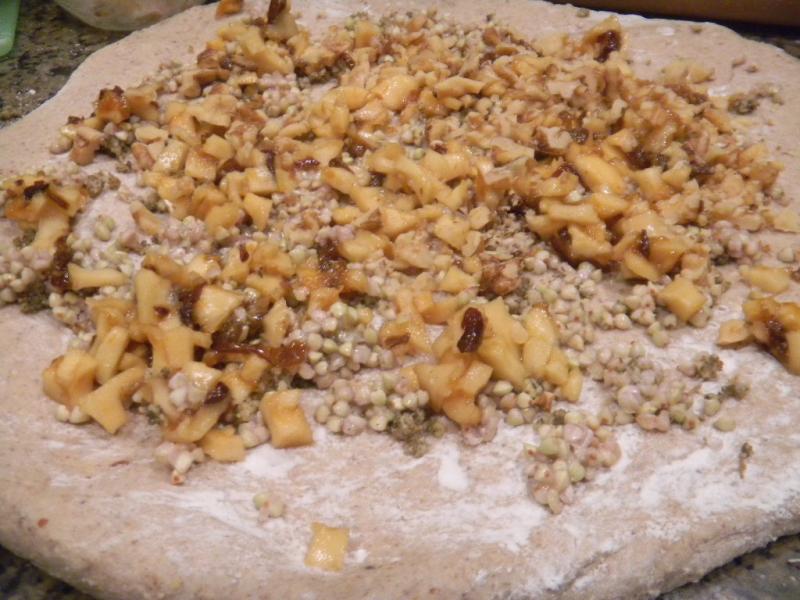
I thought we would give it another go, since we butchered her lovely bread and also made an evil face with the boule, by removing the hard cider and replacing it with the juice used to re-hydrate the dried apples and prunes and combining it with Phil's Sage and Walnut Rye.

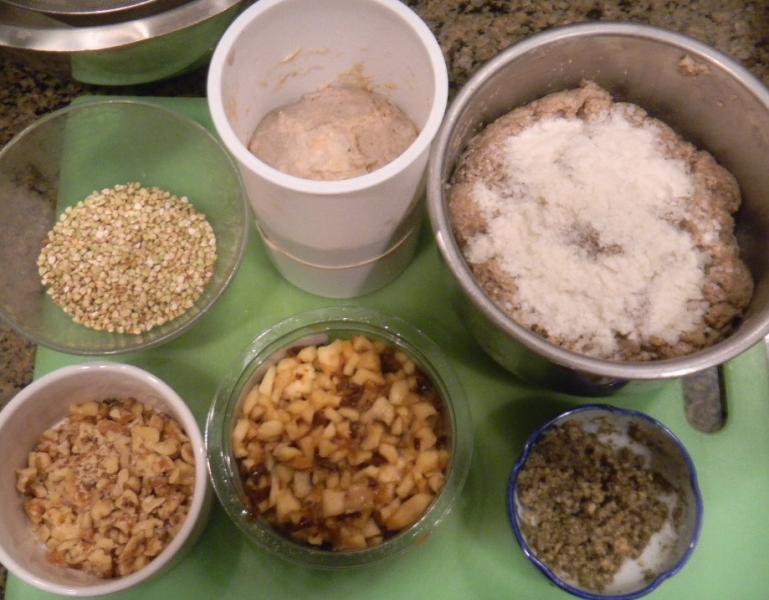
We added prunes, walnuts, a walnut oil paste, sage, chia, flax seed and wheat germ. The buckwheat groats remained and were used with the apples and prunes as decoration for the loaf and well as add ins.


The bread is 60% whole grain consisting of buckwheat, durum atta, rye, soft white wheat, WW, WWW, semolina and AP. The hydration was 75%


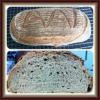
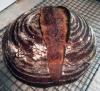
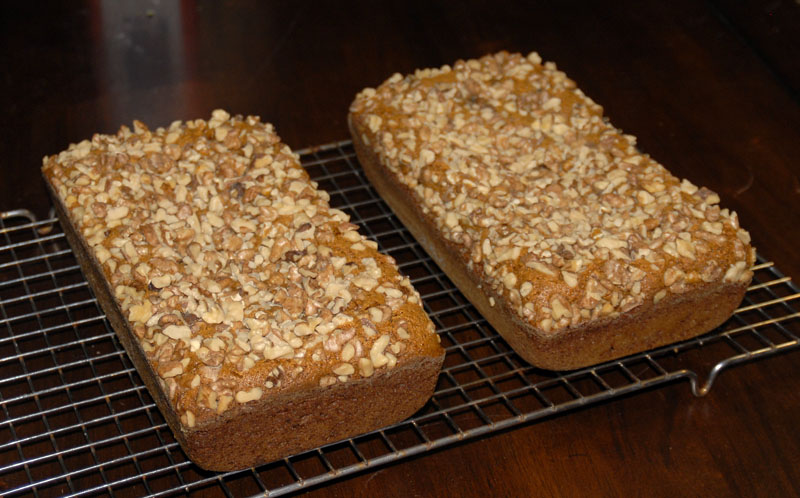
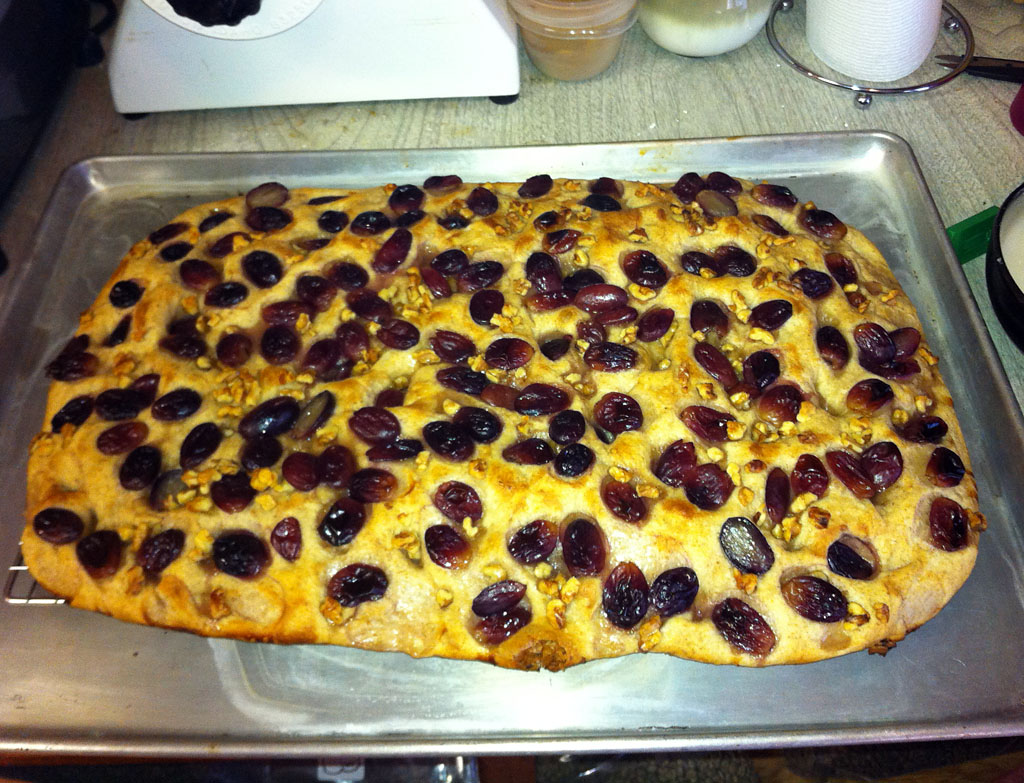
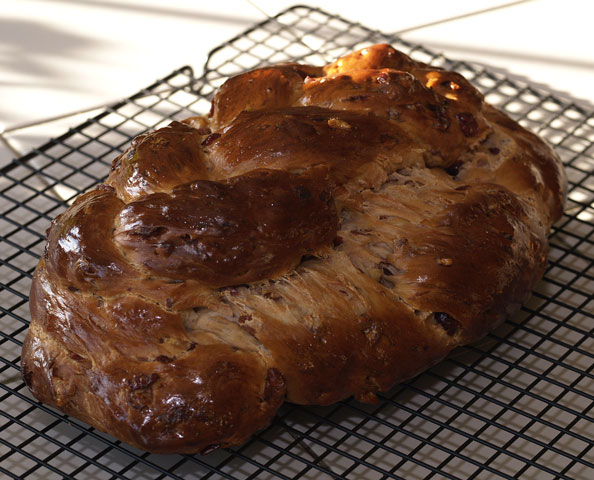
We made this bread 2 ways; in a loaf and as the ever popular Chacon. The top of the loaf was decorated with buckwheat groats and the apple prune filling and the Chacon was left nakedly unadorned.
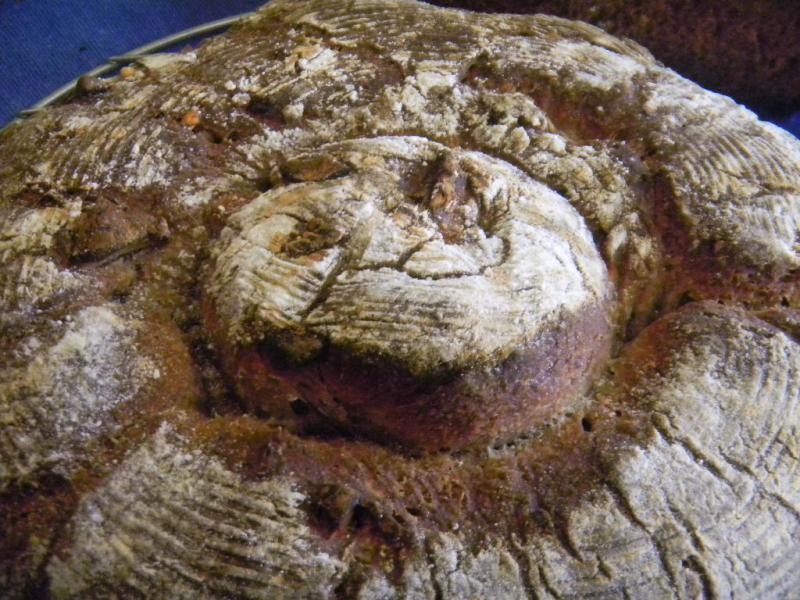
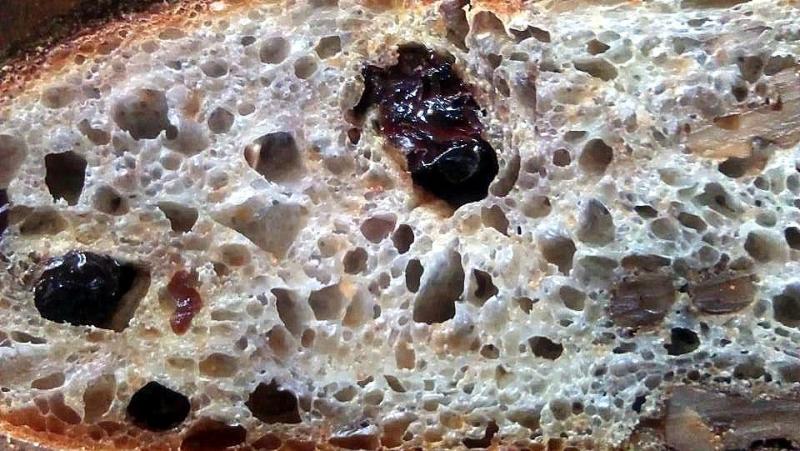
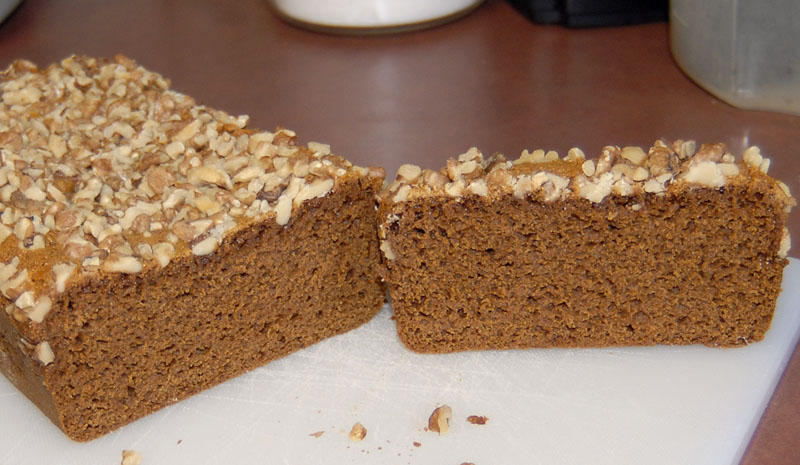
Both baked up nicely in the mini oven. The crust was dark brown and crunchy going to chewy when cooled. The exterior of both was appealing. The crumb was ope, light, airy, moist and soft - just like the YW and SD combo bakes tend to be every time.
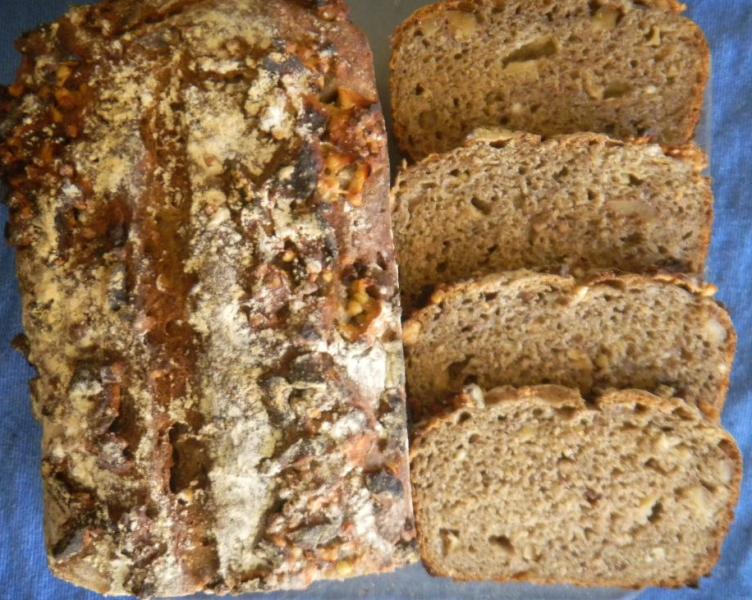

This bread tastes great with the buckwheat, fruit and walnuts coming though well with the hint of sage. The SD tang is muted because of the YW and hanging out in the background. We really like this bread and glad that we did another variation of it - without the ugly face!
Method and formula follow the pix's.

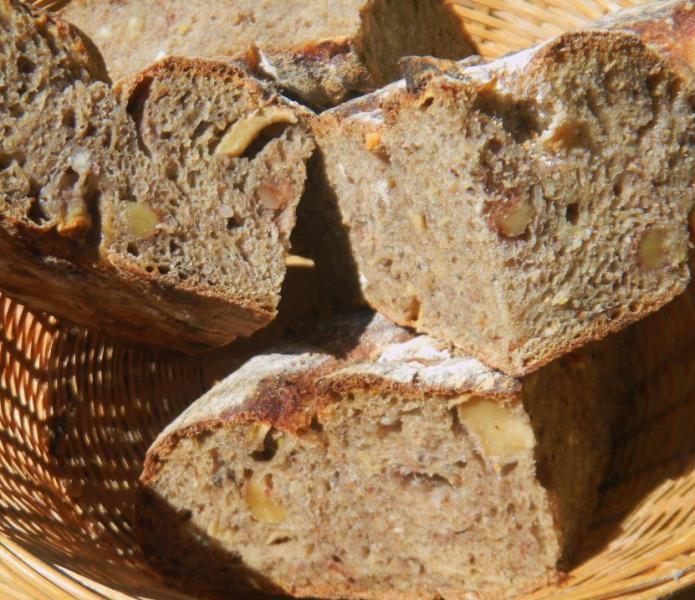
Chacon wedge shot of the ctrumb.

Made a great salami sandwich with veggies and fruits for lunch.
Method
Instead of our usual 3 day method we shortened it down to 24 hours. The mixed YW and SD levain was built over two 4 hour builds and one 2 hour build and then it was added to the 2 hour autolyse of; flours, apple /prune re-hydration juice liquid and salt.
The dried apples and prunes were reconstituted in water overnight in the fridge and the excess water was squeezed out and used for the dough liquid. The groats were micro waved in water for 1 minute and allowed to sit for 30 minutes. The walnut and walnut oil paste was made.
Once the autolyse was complete the levain was added and hand kneaded to mix before being allowed to rest in an plastic covered oiled bowl for 15 minutes. 6 S&F’s were done every 12 minutes. The first 2 were performed on a floured surface and the next 4 on a lightly oiled surface. Before the 5th S&F the dough was rolled pout into large circle about ½” thick and the walnut and sage paste, buckwheat groats, walnuts and apple / prune add ins placed on top. ¼ C of AP flour was added to the apple / prune mixture to help dry it out some more and not affect the overall hydration of the dough..
The dough was placed back into the oiled bowl and allowed to ferment and develop for 1 ½ hours before refrigerating for 6 hours. In the morning the dough was removed from the fridge and divided in half with the Chacon half going back in the fridge for another hour while the other half of the dough was formed into a loaf and placed into a PAM sprayed Pyrex loaf pan and allowed to rise in a plastic trash bag until doubled and passing the poke test about 2 hours.
After the additional hour in the fridge, the remainder of the dough was formed into a Chacon by making a knotted roll and placing it in the center of the folded round edges of the circular Chacon. The Chacon was formed on a cutting board so it could be inverted into the rice floured basket placed on top. Rice flour was also used to dust the top before being inverted into the basket.
The Chacon was placed into the plastic trash bag with the loaf and allowed to rise until doubled and passing the poke test.
The mini oven was heated to 500 F regular bake and Sylvia’s steaming method using a wash cloth and 1 C Pyrex measure ½ full of water installed on the back of the oven after being micro waved until the water boils. We decided to slash this loaf at the last minute and then steamed it in the mini oven for 12 minutes with the temperature turned down to 450 F at the 4 minute mark. At the 12 minute mark the steam was removed and the temperature turned down to 425 F – convection this time.
The loaf was rotated 180 degrees every 5 minutes and it was removed from the pan at the first 5 minute rotation. At the 32 minute mark the loaf was done, reading 205 F on the inside and allowed to dry in the off oven with door ajar for 10 minutes. The loaf was them allowed to cool on a wire rack while the mini oven was steam prepared and preheated for the Chacon in the same way as the loaf.
The Chacon was removed from the basket by inverting it onto parchment paper with the perforated top of the broiler used as a baking tray. The decoration of buckwheat groats, apple and prune fruits was added. The same baking method was used for the Chacon as the loaf.
| Buckwheat 60% Multi-grain YW / SD Bread with Walnuts, Sage, Flax, Wheat Germ, Apples, Prunes and Groats | | | | | |
| | | | | | |
| Mixed Starter | Build 1 | Build 2 | Build 3 | Total | % |
| SD Starter | 20 | 15 | 0 | 35 | 5.71% |
| Yeast Water | 40 | 25 | 10 | 75 | 16.30% |
| Rye | 20 | 0 | 0 | 20 | 4.35% |
| AP | 0 | 35 | 10 | 45 | 9.78% |
| Buckwheat | 20 | 30 | 0 | 50 | 10.87% |
| WWW | 0 | 0 | 20 | 20 | 4.35% |
| Water | 0 | 25 | 10 | 35 | 7.61% |
| Total Starter | 100 | 130 | 50 | 280 | 60.87% |
| | | | | | |
| Starter | | | | | |
| Hydration | 83.61% | | | | |
| Levain % of Total | 21.44% | | | | |
| | | | | | |
| Dough Flour | | % | | | |
| Durum Atta | 25 | 5.43% | | | |
| Soft White Wheat | 115 | 25.00% | | | |
| Rye | 20 | 4.35% | | | |
| White WW | 20 | 4.35% | | | |
| Buckwheat | 115 | 25.00% | | | |
| AP | 115 | 25.00% | | | |
| Semolina | 30 | 6.52% | | | |
| Potato Flakes | 10 | 2.17% | | | |
| Ground Flax Seed | 10 | 2.17% | | | |
| Dough Flour | 460 | 100.00% | | | |
| Salt | 9 | 1.96% | | | |
| Apple/ Prune Water - Water | 375 | 81.52% | | | |
| Dough Hydration | 81.52% | | | | |
| | | | | | |
| Total Flour | 612.5 | | | | |
| Apple/ Prune Water - Water | 502.5 | | | | |
| T. Dough Hydration | 82.04% | | | | |
| Whole Grain % | 61.63% | | | | |
| | | | | | |
| Hydration w/ Adds | 75.28% | | | | |
| Total Weight | 1,306 | | | | |
| | | | | | |
| Add - Ins | | % | | | |
| Wheat Germ | 10 | 2.17% | | | |
| Walnut Oil | 5 | 1.09% | | | |
| Prunes | 34 | 7.39% | | | |
| Dried Apples | 33 | 7.17% | | | |
| VW Gluten | 15 | 3.26% | | | |
| Walnuts 25, chia 10, flax 10, | 45 | 9.78% | | | |
| Total | 182 | 39.57% | | | |
| | | | | | |
| 1 tsp Dried Sage Added to Walnuit Oil and Walnut Paste | | |