Submitted by SylvaniaChris on November 22, 2011 - 2:08pm

Storage suggestion for half-sheet parchment paper


For those casual bakers like myself who have a new sack of half-sheet parchment papers from King Arthur Flour (or any other source with a similar package), I found a place to store my new papers in the pantry without fear of them falling through the slots between the wire shelf units or getting wrinkled or dogeared.  I simply used flat head thumbtacks (not push pins) on the inside of the bag to stick them to the wall as shown above.  VOILA!   Carefree storage. 

Submitted by sadears on October 16, 2011 - 9:36pm

Storing bread sticks

How would you store bread sticks? I have a glass pasta container. But most of them don't fit. Right now they're on a rack. I'm thinking of putting them in two paper lunch bags at each end. Any suggestions? 

Thanks

Stephanie

Submitted by eeyore150 on August 15, 2011 - 11:53am

Flatbread HELP!

I regularly make flatbread, using a bread machine to make the dough, then rolling out flat and throwing onto a hot griddle pan.  The breads start to bubble within a few seconds and when cooked (1 - 2 mins) are beautifully soft and puffy.

However, I recently cooked some for a dinner party, and to save time and effort, I rolled out the breads a couple of hours ahead of time, instead of rolling them immediately prior to cooking as I do normally.  I stacked them with sheets of grease proof paper between each bread and kept them at room temperature until I needed to cook them.

When I put them in the pan to cook, they hardly bubbled or puffed up at all and instead just lay there in the pan.  When cooked, they were considerably denser and harder than normal and nothing like the delicious, light breads I normally get.

Can anyone shed any light on why this might have happened?  Is it because they had been sitting out for a couple of hours before cooking?  I wouldn't have expected this to affect them but I'm wondering if it did.

If so, how could I prepare such breads for a dinner party in advance so that I don't have to roll them out at the last minute?

Many thanks, James


Submitted by moma on July 28, 2011 - 3:48am

Bread storage

Hi there

I am wondering. Once I cracked the code to a nice loaf I do not plan on baking one everyday ;) - I plan to freeze some.

Are there any procautions on freezing SD bread? how will the crust get? (do you have any experiences with that?).

How do you store SD bread on the counter ? paper or plastic?


Thank you

/moma


Submitted by RosaryMan on February 2, 2011 - 11:00am

2 Year Old Rye Flour

Hello,

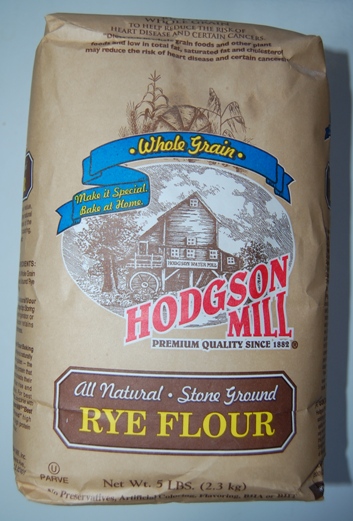
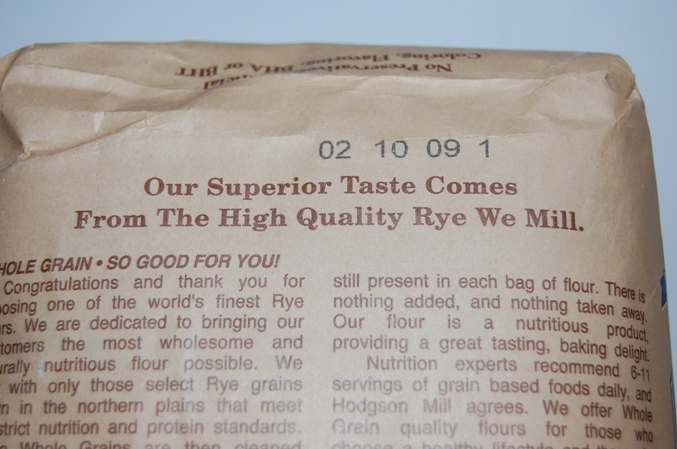
I just found the site.  I haven't done much looking around, yet, but it looks like it'll be a good one.  I was wondering how long can rye flour be stored in the refrigerator freezer.  The expiration date on the bag is Feb. 10, 2009.  The bag is unopened and has been in the freezer the whole time.  The brand is Hodgson Mill.  Thank you.

Michael.....


Submitted by catfuzz on January 31, 2011 - 3:59pm

Wheat - differences and storage

Hello, I am totally new to wheat and milling.  I have a mill that was given to me last year as a gift...one of the nicer hand crank types.

Today I purchased 2- 25lb bags of Wheat Montana (so excited to see at Walmart!!)...I got one bag of Bronze Chief and one Prairie Gold.  I want to go back and get the Red Spring wheat...I regret not picking up one of each.

Anyway, how should I store this stuff?  How long is it good for unopened, and once I open a bag, do I need to transfer to big containers, or vaccuum seal (buy deep freeze, seal and store)...or maybe just vaccuum seal and store with my other bulk stuff?  Is it going to break out with a bunch of weaves any second?

Like I said, I am totally new to this, but enjoy food, thus all food must be from scratch. 

Also, which of the Wheat Montana is the best? There are several to pick from....and which is best for what?


Thanks,

Stephanie

Submitted by GAPOMA on November 4, 2010 - 11:36am

Storing sourdough starter short & long term


I’ve been baking bread nearly every week at home for more than 10 years now.  After several failed attempts to get a sourdough starter going I finally was successful about 18 months ago.  After feeding my starter nearly every day for the first 6-8 weeks and making several successful loaves, I began to worry about losing the starter to contamination (or neglect).  I wanted access to a good starter when I felt like sourdoughs but I didn’t want to feel as though I was tied to keeping the starter going daily (or even weekly) for the rest of my life.  I really wanted to be able to put it away for a while (months at a time), but go back to my starter when I felt the urge for sourdoughs in the future.  So I started looking into how to store my starter. 

I came across a post here on The Fresh Loaf (http://www.thefreshloaf.com/node/6737/help-storingfreezing-starter-please) in which Mike Avery said he kept starters of 65% hydration “in the fridge far longer than I care to admit with good results.”  In that same post, Bill (bwraith) said he too kept 65% hydration starters in the fridge, for as much as 6 months!  Mike said he didn’t like to leave the starter more than 2-3 months without feeding.

Obviously this is what I was looking for, but questions still remained.  How long can I really leave it?  Should it be refrigerated, or frozen?  Although it worked for Bill long term (6 months), would it really work for me for that long?  I decided to do an experiment.  I took my robust 100% hydration starter, made it into a 65% hydration starter, split it into eight (8) aliquots of 50g (1/4 cup) each I refrigerated 4 of the aliquots and froze the other 4 aliquots, and decided to take an aliquot of each out at various times later (1, 3, 6 and 12 months) to see how well they reconstituted my starter. 

At each time point I took the 50g of refrigerated/frozen starter, let it warm for about 30 minutes, and then added 200g of water.  After a thorough mix, I then added 200g of flour, stirred until smooth, and then watched and waited.


1 Month

Refrigerated – Smelled quite sour but had little if any liquid on top.  Doubled in 30 hours.  Looked and smelled great.

Frozen – When thawed there was no real scent and no liquid of any kind on top.  No activity seen at 24 or 36 hr.  By 48 hr there were a few small bubbles on top, and by 72 hr it had doubled.  At this point it looked bubbly and smelled like it should.


3 Months

Refrigerated – Sample smelled very sour at this point and had a gray colored layer on top of it.  There was no liquid on top.  The starter underneath was “whiter” and when stirred it made a surprisingly watery mix.  Activity noted at 12 hours and had doubled by 24 hours. Had fallen by 48 hours but was bubbly and smelled great at that point.

Frozen – When thawed the starter had a very faint sour scent and a shiny wet surface, but no accumulated liquid on top.  Some slight bubble activity at 36 hours.  At 48 hr it had quite a few large bubbles on top.  I decided to refresh it at this point by removing 50g and adding this to 100g water and 100g flour (I also kept and watched the original frozen starter).  By 72hr the original frozen starter had lots of small bubbles on top and increased in volume by about 25% and it had doubled and was just fine by 84 hr.  The refreshed frozen starter had not increased in volume at all by 72hr, had grown about 25% by 84 hr, and it had doubled by 96 hr.  Looks and smells just fine at this point.


6 Months

Refrigerated – As at 3 months the sample smelled very sour and had a gray layer on top of it.  There was no liquid on top.  The starter underneath was “whiter” and when stirred it made a watery mix.  After 24 hr this sample had increased in volume by about 60% and it doubled by 30 hr.  At this point the top was bubbly and wet and it smelled nice and sour.  No problems here!

Frozen – No smell, no change in color, kind of a sticky lump when warmed.  There was slight bubble activity at 24 hours.  At 72 hr it had a distinct sour smell but it hadn’t changed much in volume from the 24 hr sample.  So I again decided to refresh it at this point by removing 50g and adding this to 100g water and 100g flour (I also kept and watched the original frozen starter).  By 96 hr the original frozen starter had doubled and was just fine.  The refreshed frozen starter had also doubled in volume and smelled/looked just fine by 96 hr.


13.5 Months

Refrigerated – The sample was very gray colored both on top and underneath.  There was some liquid on top of it, and even when stirred it had an “off” scent.  The smell reminded me of cider vinegar.  No activity at 24 or 48 hr although it did smell a little less at 48 hr than it did at the beginning.  I decided to try the “refresh” trick at 60 hr by removing 50g and adding this to 100g water and 100g flour (I also kept and watched the original starter).  By 84 hr there was perhaps a hint of activity, but no more activity at 96 hr.  I tried a second refresh at 96 hr.  At 144 hr (6 days) there is no sign of activity in any of the 3 refrigerated samples.  At this point it still had a bit of a vinegar odor and had some gray/green hooch on top.

Frozen – Again no smell, no change in color, kind of a sticky lump when warmed.  No activity at 24 or 48 hr.  Like the refrigerated sample I decided to try the “refresh” trick at 60 hr by removing 50g and adding this to 100g water and 100g flour (I also kept and watched the original starter).  No activity at 72 hr there was perhaps a hint of activity, but no real activity at 96 hr.  I tried a second refresh at 96 hr.  By 108 hr there was a 50% increase in volume of this second refresh sample, and by 120 hr it had at least doubled in bulk.  At this point (120hr) it had lots of small bubbles on top and it smelled like a good healthy sourdough starter should.  At 132 hr I took all (~200g) of this 96hr refresh sample and added 200g of water and 200g of flour to see if it would work as a real starter.  It had more than doubled 3 hours later demonstrating that at this point it was a robust starter.


Conclusions:  It is clear from this experiment that storing starter at 65% hydration in the refrigerator is fine (and probably the method of choice) for at least 6 months but a year or more is probably asking too much.  Freezing the starter works fine, even out to a year or more.  However it takes longer to restore a vigorous starter from the frozen state.   

Early on in this experiment I came to the conclusion that keeping a sourdough starter in the refrigerator for a month or two (or even six) is absolutely no problem.  It is now my routine.  I pull it out every 2-8 weeks or so, feed it for a weekend (probably use it once or twice), and put it back in the fridge.  I also keep an aliquot at 65% frozen as a backup, and I plan to refresh this backup on an annual basis.  (I also must admit that I don't always go to the trouble of making a 65% starter for refrigeration.  If I'm planning on taking it out again in the next few weeks I usually just put my 100% starter in the fridge.)

In the end, I now feel much less stressed about ignoring my starter in the back of the refrigerator for a few months.  Thanks to Mike and Bill for their inspiration in this experiment.

- Greg


Submitted by BellesAZ on September 9, 2010 - 9:07am

Wheaty Indiscretions: What Happens to Wheat, from Seed to Storage


REPRINTED WITH PERMISSION

An interesting article I ran across and I thought it would be worthwhile to post - if nothing else for consideration of the process of milling in the modern era.

Wheaty Indiscretions: What Happens to Wheat, from Seed to Storage
Health Topics - Modern Foods
Written by Jen Allbritton, CN   
Monday, 30 June 2003 16:40

Wheat--America's grain of choice. Its hardy, glutenous consistency makes it practical for a variety of foodstuffs--cakes, breads, pastas, cookies, bagels, pretzels and cereals that have been puffed, shredded and shaped. This ancient grain can actually be very nutritious when it is grown and prepared in the appropriate manner. Unfortunately, the indiscretions inflicted by our modern farming techniques and milling practices have dramatically reduced the quality of the commercial wheat berry and the flour it makes. You might think, "Wheat is wheat--what can they do that makes commercial varieties so bad?" Listen up, because you are in for a surprise!

It was the cultivation of grains--members of the grass family--that made civilization possible.1 Since wheat is one of the oldest known grains, its cultivation is as old as civilization itself. Some accounts suggest that mankind has used this wholesome food since 10,000 to 15,000 years BC.2 Upon opening Egyptian tombs archeologists discovered large earthenware jars full of wheat to "sustain" the Pharaohs in the afterlife. Hippocrates, the father of medicine, was said to recommend stone-ground flour for its beneficial effects on the digestive tract. Once humans figured out how to grind wheat, they discovered that when water is added it can be naturally fermented and turned into beer and expandable dough.2

Botonists have identified almost 30,000 varieties of wheat, which are assigned to one of several classifications according to their planting schedule and nutrient composition3--hard red winter, hard red spring, soft red winter, durum, hard white and soft white. Spring wheat is planted in the spring, and winter wheat is planted in the fall and shoots up the next spring to mature that summer. Soft, hard, and durum (even harder) wheats are classified according to the strength of their kernel. This strength is a function of the protein-to-starch ratio in the endosperm (the starchy middle layer of the seed). Hard wheats contain less starch, leaving a stronger protein matrix.3

With the advent of modern farming, the number of varieties of wheat in common use has been drastically reduced. Today, just a few varieties account for 90 percent of the wheat grown in the world.1

When grown in well-nourished, fertile soil, whole wheat is rich in vitamin E and B complex, many minerals, including calcium and iron, as well as omega-3 fatty acids. Proper growing and milling methods are necessary to preserve these nutrients and prevent rancidity. Unfortunately, due to the indiscretions inflicted by contemporary farming and processing on modern wheat, many people have become intolerant or even allergic to this nourishing grain. These indiscretions include depletion of the soil through the use of chemical fertilizers, pesticides and other chemicals, high-heat milling, refining and improper preparation, such as extrusion.1

Rather than focus on soil fertility and careful selection of seed to produce varieties tailored to a particular micro-climate, modern farming practices use high-tech methods to deal with pests and disease, leading to overdependence on chemicals and other substances.

IT STARTS WITH THE SEED

Even before they are planted in the ground, wheat seeds receive an application of fungicides and insecticides. Fungicides are used to control diseases of seeds and seedlings; insecticides are used to control insect pests, killing them as they feed on the seed or emerging seedling.7 Seed companies often use mixtures of different seed-treatment fungicides or insecticides to control a broader spectrum of seed pests.8

PESTICIDES AND FERTILIZERS

Some of the main chemicals (insecticides, herbicides and fungicides) used on commercial wheat crops are disulfoton (Di-syston), methyl parathion, chlorpyrifos, dimethoate, diamba and glyphosate.9

Although all these chemicals are approved for use and considered safe, consumers are wise to reduce their exposure as much as possible. Besides contributing to the overall toxic load in our bodies, these chemicals increase our susceptibility to neurotoxic diseases as well as to conditions like cancer.10

Many of these pesticides function as xenoestrogens, foreign estrogen that can reap havoc with our hormone balance and may be a contributing factor to a number of health conditions. For example, researchers speculate these estrogen-mimicking chemicals are one of the contributing factors to boys and girls entering puberty at earlier and earlier ages. They have also been linked to abnormalities and hormone-related cancers including fibrocystic breast disease, breast cancer and endometriosis.13

HORMONES ON WHEAT?

Sounds strange, but farmers apply hormone-like substances or "plant growth regulators" that affect wheat characteristics, such as time of germination and strength of stalk.11 These hormones are either "natural," that is, extracted from other plants, or synthetic. Cycocel is a synthetic hormone that is commonly applied to wheat.

Moreover, research is being conducted on how to manipulate the naturally occurring hormones in wheat and other grains to achieve "desirable" changes, such as regulated germination and an increased ability to survive in cold weather.12

No studies exist that isolate the health risks of eating hormone-manipulated wheat or varieties that have been exposed to hormone application. However, there is substantial evidence about the dangers of increasing our intake of hormone-like substances.

CHEMICALS USED IN STORAGE

Chemical offenses don't stop after the growing process. The long storage of grains makes them vulnerable to a number of critters. Before commercial grain is even stored, the collection bins are sprayed with insecticide, inside and out. More chemicals are added while the bin is filled. These so-called "protectants" are then added to the upper surface of the grain as well as four inches deep into the grain to protect against damage from moths and other insects entering from the top of the bin. The list of various chemicals used includes chlorpyrifos-methyl, diatomaceous earth*, bacillus thuringiensis, cy-fluthrin, malathion and pyrethrins.14

Then there is the threshold test. If there is one live insect per quart of sample, fumigation is initiated. The goal of fumigation is to "maintain a toxic concentration of gas long enough to kill the target pest population." The toxic chemicals penetrate the entire storage facility as well as the grains being treated. Two of the fumigants used include methyl bromide and phosphine-producing materials, such as magnesium phosphide or aluminum phosphide.14

GRAIN DRYING

Heat damage is a serious problem that results from the artificial drying of damp grain at high temperatures. Overheating causes denaturing of the protein26 and can also partially cook the protein, ruining the flour's baking properties and nutritional value. According to Ed Lysenko, who tests grain by baking it into bread for the Canadian Grain Commission's grain research laboratory, wheat can be dried without damage by using re-circulating batch dryers, which keep the wheat moving during drying. He suggests an optimal drying temperature of 60 degrees Celsius (140 degrees Fahrenheit).27 Unfortunately, grain processors do not always take these precautions.

MODERN PROCESSING

The damage inflicted on wheat does not end with cultivation and storage, but continues into milling and processing. A grain kernel is comprised of three layers: the bran, the germ and the endosperm. The bran is the outside layer where most of the fiber exists. The germ is the inside layer where many nutrients and essential fatty acids are found. The endosperm is the starchy middle layer. The high nutrient density associated with grains exists only when these three are intact. The term whole grain refers to the grain before it has been milled into flour. It was not until the late nineteenth century that white bread, biscuits, and cakes made from white flour and sugars became mainstays in the diets of industrialized nations, and these products were only made possible with the invention of high-speed milling machines.28 Dr. Price observed the unmistakable consequences of these dietary changes during his travels and documented their corresponding health effects. These changes not only resulted in tooth decay, but problems with fertility, mental health and disease progression.30

Flour was originally produced by grinding grains between large stones. The final product, 100 percent stone-ground whole-wheat flour, contained everything that was in the grain, including the germ, fiber, starch and a wide variety of vitamins and minerals. Without refrigeration or chemical preservatives, fresh stone-ground flour spoils quickly. After wheat has been ground, natural wheat-germ oil becomes rancid at about the same rate that milk becomes sour, so refrigeration of whole grain breads and flours is necessary. Technology's answer to these issues has been to apply faster, hotter and more aggressive processing.28

Since grinding stones are not fast enough for mass-production, the industry uses high-speed, steel roller mills that eject the germ and the bran. Much of this "waste product"--the most nutritious part of the grain--is sold as "byproducts" for animals. The resulting white flour contains only a fraction of the nutrients of the original grain. Even whole wheat flour is compromised during the modern milling process. High-speed mills reach 400 degrees Fahrenheit, and this heat destroys vital nutrients and creates rancidity in the bran and the germ. Vitamin E in the germ is destroyed--a real tragedy because whole wheat used to be our most readily available source of vitamin E.

Literally dozens of dough conditioners and preservatives go into modern bread, as well as toxic ingredients like partially hydrogenated vegetable oils and soy flour. Soy flour--loaded with antinutrients--is added to virtually all brand-name breads today to improve rise and prevent sticking. The extrusion process, used to make cold breakfast cereals and puffed grains, adds insult to injury with high temperatures and high pressures that create additional toxic components and further destroy nutrients--even the synthetic vitamins that are added to replace the ones destroyed by refinement and milling.

People have become accustomed to the mass-produced, gooey, devitalized, and nutritionally deficient breads and baked goods and have little recollection of how real bread should taste. Chemical preservatives allow bread to be shipped long distances and to remain on the shelf for many days without spoiling and without refrigeration.

HEALTHY WHOLE WHEAT PRODUCTS

Ideally, one should buy whole wheat berries and grind them fresh to make homemade breads and other baked goods. Buy whole wheat berries that are grown organically or biodynamically--biodynamic farming involves higher standards than organic.34 Since these forms of farming do not allow synthetic, carcinogenic chemicals and fertilizers, purchasing organic or biodynamic wheat assures that you are getting the cleanest, most nutritious food possible. It also automatically eliminates the possibility of irradiation31 and genetically engineered seed. The second best option is to buy organic 100 percent stone-ground whole-wheat flour at a natural food store. Slow-speed, steel hammer-mills are often used instead of stones, and flours made in this way can list "stone-ground" on the label. This method is equivalent to the stone-ground process and produces a product that is equally nutritious. Any process that renders the entire grain into usable flour without exposing it to high heat is acceptable.

If you do not make your own bread, there are ready made alternatives available. Look for organic sourdough or sprouted breads freshly baked or in the freezer compartment of your market or health food store. If bread is made entirely with l00 percent stone-ground whole grains, it will state so on the label. When bread is stone ground and then baked, the internal temperature does not usually exceed 170 degrees, so most of the nutrients are preserved.28 As they contain no preservatives, both whole wheat flour and its products should be kept in the refrigerator or freezer. Stone-ground flour will keep for several months frozen.28

Sprouting, soaking and genuine sourdough leavening "pre-digests" grains, allowing the nutrients to be more easily assimilated and metabolized. This is an age-old approach practiced in most traditional cultures. Sprouting begins germination, which increases the enzymatic activity in foods and inactivates substances called enzyme inhibitors.1 These enzyme inhibitors prevent the activation of the enzymes present in the food and, therefore, may hinder optimal digestion and absorption. Soaking neutralizes phytic acid, a component of plant fiber found in the bran and hulls of grains, legumes, nuts, and seeds that reduces mineral absorption.32 All of these benefits may explain why sprouted foods are less likely to produce allergic reactions in those who are sensitive.1

Sprouting also causes a beneficial modification of various nutritional elements. According to research undertaken at the University of Minnesota, sprouting increases the total nutrient density of a food. For example, sprouted whole wheat was found to have 28 percent more thiamine (B1), 315 percent more riboflavin (B2), 66 percent more niacin (B3), 65 percent more pantothenic acid (B5), 111 percent more biotin, 278 percent more folic acid, and 300 percent more vitamin C than non-sprouted whole wheat. This phenomenon is not restricted to wheat. All grains undergo this type of quantitative and qualitative transformation. These studies also confirmed a significant increase in enzymes, which means the nutrients are easier to digest and absorb.33

You have several options for preparing your wheat. You can use a sour leavening method by mixing whey, buttermilk or yogurt with freshly ground wheat or quality pre-ground wheat from the store. Or, soak your berries whole for 8 to 22 hours, then drain and rinse. There are some recipes that use the whole berries while they are wet, such as cracker dough ground right in the food processor. Another option is to dry sprouted wheat berries in a low-temperature oven or dehydrator, and then grind them in your grain mill and then use the flour in a variety or recipes.

Although our modern wheat suffers from a great number of indiscretions, there are steps we can take to find the quality choices that will nourish us today and for the long haul. Go out and make a difference for you and yours and turn your wheaty indiscretions into wheaty indulgences.


SIDEBAR ARTICLES

SPELT AND KAMUT®

Spelt is a distant cousin to modern wheat and one of the oldest cultivated grains. Current research indicates few differences between hard red wheat and Canadian spelt. Researchers have also found evidence supporting the claim that spelt may be easier for humans to digest than wheat.4 Modern wheat has been altered over the years through breeding to simplify its growth and harvesting, increase its yield and raise its gluten content for the production of commercial baked goods--all of which has rendered modern wheat more difficult to digest. Spelt, on the other hand, has not been as popular in our food supply and has therefore retained many of its original traits.5

Kamut® is also an ancient relative of modern wheat, durum wheat to be exact. Actually, "kamut" is an ancient word for wheat. Similar to spelt, this grain has been untouched by modern plant-breeding techniques that have been imposed on wheat.6


IRRADIATION

Wheat and wheat flour were some of the first foods the Food and Drug Administration (FDA) approved for irradiation.15 A 1963 ruling applied to imported grains. In 1968, the FDA approved irradiation for US wheat berries and flour to control insects.16 Irradiation is the practice of using either high-speed electron beams or high-energy radiation to break chemical bonds and ionize molecules that lie in their path.17 According to proponents of this technology, irradiation can provide more food security for the world by eradicating storage pests in grain, killing fruit flies in fruit, preventing mold growth, delaying ripening, preventing the sprouting of potatoes, onions and garlic, and extending the shelf life of meat, fish and shellfish – all without health consequences. However, research tells us something quite different.

One particularly interesting study on the dangers of irradiation was published in The American Journal of Clinical Nutrition18 in 1975. Ten children were divided into two groups of five. Before the trial started, blood samples were taken and examined for each child. The diets given to each group were identical except the wheat for the experimental group had been irradiated two or three days earlier with a dose recommended for grain disinfestation. After four weeks, the examination of blood samples showed abnormal cell formation in four of the five children given irradiated wheat. No signs of abnormal cell development appeared in the control group.

One particularly disturbing cell type found in the experimental group was polyploid lymph. Lymph is a vital component of the immune system, and these abnormal varieties occur routinely in patients undergoing radiation treatment. In fact, the level of these abnormal lymph cells is often used as a measure of radiation exposure for people accidentally exposed to radiation.19 After six weeks, blood samples were taken again and a sharp increase of polyploid lymph cells was seen when compared to the level at four weeks. Because of concern for the children's health, the study was terminated.

It was argued that the main culprit in the increase of cell abnormalities was the fact the wheat was "freshly irradiated." Therefore, a subsequent study looked at the effects of feeding wheat that had been irradiated and then stored for 12 weeks. The polyploid cells took a little longer to show up--six weeks instead of four. After the irradiated wheat had been withdrawn, it took 24 weeks before the blood of the test children reverted to normal.

To verify their results, the researchers continued with experimental animals and found the same results in both monkeys and rats--a progressive increase of polyploid lymph cells and a gradual disappearance of these cells after withdrawal of the irradiated wheat.20 ,21 ,22 ,23 Thus, the dangers of irradiated foods are evident, whether the food has been freshly irradiated or stored for a period of time. Other long-term health implications from eating irradiated foods include lowered immune resistance, decreased fertility, damage to kidneys, depressed growth rates, as well as a reduction in vitamins A, B complex, C, E and K.24


NUTRIENT LOSS FROM REFINING OF WHEAT29

Thiamine (B1) 77%
Riboflavin (B2) 80%
Niacin 81%
Pyridoxine (B6) 72%
Pantothenic acid 50%
Vitamin E 86%
Calcium 60%
Phosphorous 71%
Magnesium 84%
Potassium 77%
Sodium 78%
Chromium 40%
Manganese 86%
Iron 76%
Cobalt 89%
Zinc 78%
Copper 68%
Selenium 16%
Molybdenum 48%


GENETICALLY ENGINEERED WHEAT

Genetic Engineering (GE) is the process of altering or disrupting the genetic blueprints of living organisms--plants, trees, fish, animals and microorganisms. Genes are spliced to incorporate a new characteristic or function into an organism. For example, scientists can mix a gene from a cold-water fish into a strawberry plant's DNA so it can withstand colder temperatures. So far, the most widely used GE foods are soy, cotton and corn. Monsanto hopes to commercialize Roundup Ready Wheat sometime between 2003 and 2005. This crop will join the company of a number of crops engineered to resist the Roundup herbicide.

Proponents of GE claim that this "technology" will make agriculture sustainable, eliminate world hunger, cure disease and improve public health--but have they factored in the enormous risks? When surveyed, most consumers do not want to eat genetically modified foods, and even commercial farmers are wary. Wheat farmers are scared of the Starlink corn fiasco. Iowa farmers planted one percent of their 2000 corn crop as Starlink, a genetically engineered corn approved only for animal consumption. By harvest time, almost 50 percent of the Iowa crop tested positive for Starlink. Product recalls, consumer outcry and export difficulties have ensued. This mistake resulted in the recall of hundreds of millions of dollars of food products and seeds. In regards to exporting, our overseas consumers say they will not accept any wheat that has been genetically engineered. For this reason, Monsanto has put the development of GE wheat on temporary hold.25


USING WHEAT IN BAKING

When deciding which wheat berries to use for baking, the main categories to consider are hard and soft. Hard wheat is higher in protein, particularly gluten, making it more elastic and the best choice for making breads. Gluten traps carbon dioxide during the leavening process, allowing the dough to rise. Durum wheats, used mostly for pasta, are even harder. Soft wheats are lower in protein and are more appropriate for cookies, crackers, soda breads and other baked goods.


WAPF received the following letter from Lorraine Iverson of the EPA on August 10, 2004:

I have thoroughly enjoyed your website over the past few years and have found it to be an authority on nutrition in America. Please keep up the good work.

I am a chemist with the EPA, and I spend my days analyzing soil, water and fish samples for pesticides such as Chlordane, DDT, Chlorpyrifos to name a few. I was reading the article "Wheaty Indiscretions" with great interest today, when I noticed that diatomaceous earth was listed as a chemical used in storage in the paragraph titled Chemicals Used in Storage. This material is not toxic, nor is it a manmade chemical. It is the residue left over from plankton, and it kills bugs by mechanical means, not chemical. To list this material alongside chlorpyrifos and malathion gives the wrong impression.

My $0.02
Lorraine Iverson


References

  1. Fallon, Sally and Enig, Mary. Ph.D. Nourishing Traditions. NewTrends Publishing. 2000.
  2. From Wheat to Flour. Revised Edition, 1976, Washington DC, Library of Congress Catalogue Card No. 76-27767. Found at www.bogasariflour.com on January 17, 2003.
  3. MgGee, Harold. On Food and Cooking. The Science of Lore of the Kitchen. Simon and Schuster.1984.
  4. Ranhotra, G.S., J.A. Gelroth, B.K. Glaser, and K.J. Lorenz. 1995. Baking and nutritional qualities of a spelt wheat sample. Lebnsm. Wiss. Technol. 28:118-122.
  5. J.T. Hoagland. Spelt – What is it? Purity Foods. 1998. Found at http://www.spelt.com/ on January 17, 2003.
  6. Stallkneckt, G.F., K.M. Gilbertson, and J.E. Romey. Alternative wheat cereals as good grains: Einkorn emmer, spelt, kamut, and triticale. In: J. Janick (ed). Progress in new corps. ASHS Press, Alexandria VA. Found at www.hort.purdue.edu/newcrop/proceedings1999/v4-182.html.
  7. McMullen, Marcia P. and Lamey, H. Arthur. Seed Treatment for Disease Control. Extension of Plant Pathologists. North Dakota State University. Found at http://www.ext.nodak.edu/extpubs/plantsci/crops/pp447w.htm. On Dec. 15th 2002.
  8. Seed Treatment for Agronomic Crops. The Ohio State University Extension. Bulletin 639-98. Found at http://ohioline.osu.edu/b639/b639_3.html on January 21, 2003.
  9. L.F. Jackson. UC IMP Pest Management Guidelines: Small Grains. University of California Division of Agriculture and Natural Resources. January 2002.
  10. Haas, Elson, M.D. The Staying Healthy Shopper's Guide. CelestialArts. 1999.
  11. Oregon State University Extension Service Master Gardener Handbook. Found at http://extension.oregonstate.edu/mg/botany/hormones.html on February 2, 2003.
  12. Barry, Kathryn. ARS. Abscisic Acid – The plant Stress Hormone. Agricultural Research. January 2001. Found at http://www.ars.usda.gov/is/AR/archive/jan01/acid0101.pdf on February 4, 2003.
  13. Foster, John. MD. Natural Production from Estrogen Overload. Crucifers and Cancer. Found at http://www.westonaprice.org/women/natural_protection.html on February 2, 2003.
  14. G.F. Chappell II, Extension Agent, ANR, Crop and Soil Science. Stored-Grain Insect Pest Management. Field Crops 2002.
  15. IFT. 1998. Radiation preservation of foods. A scientific status summary by the Institute of Food Technologists' Expert Panel on Food Safety and Nutrition. J Food Tech. Vol 37 (2): 55-60.
  16. U.S. Food and Drug Administration Center for Food Safety and Applied Nutrition. Found at http://vm.cfsan.fda.gov/~dms/a2z-i.html on January 21, 2003.
  17. Encyclopedia Britannica. Found at http://www.britannica.com/eb/article?eu=120847&hook=502397#502397.hook on January 29, 2003.
  18. Bhaskaram, C. et al. 1975. Effects of feeding irradiated wheat to malnourished children. The American Journal of Clinical Nutrition 28: February 1975, pp.130-135
  19. Bender, M.A. 1971. Use of chromosome analysis in the diagnosis of radiation injury. IAEA Technical Report Series No. 123, p. 277.
  20. Vijayalaxmi. 1978. Cytogenetic studies in monkeys fed irradiated wheat. Toxicology 9:181-184.
  21. Vijayalaxmi et al. 1975. Chromosome aberrations in rats fed irradiated wheat. Int. J. Radiat. Biol. 27 No.2: 135-142.
  22. Vijayalaxmi 1976. Genetic effects of feeding irradiated wheat to mice. Can. J. Genet. Cytol. 18: 231-238.
  23. Vijayalaxmi. 1978. Cytogenetic studies in monkeys fed irradiated wheat. Toxicology 9: 181-184
  24. Blyth, Judy. Nuking Our Food. Anti-Nuclear Alliance of Western Australia. Found at http://www.anawa.org.au/chain/nukingfood.html on January 21, 2003.
  25. Cropchoice News. North Dakota, Montana consider moratoriums on Roundup Ready wheat. Found at http://www.thecampaign.org/newsupdates/feb01h.htm#North on January 17, 2003.
  26. Wang, D., Dowell, F.E., and Chung, D.S. Assessment of Heat-Damaged Wheat Kernels Using Near-Infrared Spectroscopy. Cereal Chem. 78(5):625-628.
  27. Morrison, Karen. Improper grain drying can hurt wheat quality. The Western Producer. Found at www.producer.com on January 18, 2003.
  28. Cranton, Elmer. M.D. Modern Bread, The Broken Staff of Life. Found at www.drcranton.com/nutrition/bread.htm.
  29. Henry A. Schroeder, "Losses of Vitamins and Trace Minerals Resulting from Processing and Preservation of Foods," American Journal of Clinical Nutrition, 1971
  30. Price, Weston. D.D.S. Nutrition and Physical Degeneration. Keats Publishing. 1997.
  31. Organic Consumers Association. Background and Status of Labeling of Irradiated Foods. Found at http://www.organicconsumers.org/Irrad/LabelingStatus.cfm on February 1, 2003.
  32. Morris ER. Phytate and dietary mineral bioavailability. In Phytic Acid Chemistry and Applications, Graf E (ed). Minneapolis: Pilatus Press, 1986, 57–76 [review]
  33. Crisafi, Daniel, ND, MH, Ph.D. 1995. Alive Magazine 1995.
  34. See http://www.biodynamics.com for more information on this approach.

This article appeared in Wise Traditions in Food, Farming and the Healing Arts, the quarterly magazine of the Weston A. Price Foundation, Spring 2003.

Submitted by BakingJay on August 15, 2010 - 3:47pm

An awesome way to tansport baked goods.


I got a super cool storage device a couple weeks ago (more as a test because it looked neat...saw it at a tradeshow here in Atlanta) that I have to recommend to people now that I've used it a bunch. It's called the Baker's Sto N Go. Basically it's a plastic carrying case that comes with rearrangeable shelves. I was having trouble basically taking smaller stuff and cheesecakes (my speciality) to friends' parties etc...basically cake containers and individual plasticware just became a pain...and this seemed like a good solution. I have to say it is awesome. So far I've tested it with cookies, brownies, cheesecake, and pies and it has worked like a charm. If anyone is interested I can post a link. But it isdefinitely something worth searching for.

Submitted by bnom on May 13, 2010 - 9:58am

a time-sensitive question about bread shape and staying power


I'm leaving town early tomorrow for a weekend getaway with friends. I've got a batch or sourdough bread rising which I will shape/bake tonight.

My question is: Are there shapes that would hold up better for the weekend?  For example, boules  or batards? Epis or baquettes? Larger v smaller loaves?  I'm particularly interested in the epis question...I've never made them but my sense is they would hold up a little better because they're eaten as rolls not as sliced so would be less likely to dry out.

Really appreciate your input!