SearchUser loginRecommended BooksFavorite Recipes
|
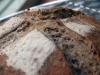
Submitted by Sheryl on February 4, 2010 - 12:54pm Real Southern BiscuitsHello all. Growing up in the rural South, the women in my family (tennessee and alabama) made biscuits unconsciously. Talking, doing ten things and all the while flour was flying and hands moving without measuring, no fancy equipment, the most rudimentary supplies and out of their ovens came the lightest, soft as a cloud biscuits, apparently without having to think about it. Today, a 'southern biscuit' is a cakey thing like this - foodies everywhere call this a 'southern biscuit' -
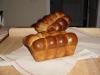
- which is not what I (we) knew as a real Southern Biscuit. Maybe in places around the South that's a biscuit, but not in my experience. In my world a southern biscuit was identical to what you can get today at the Loveless Cafe -
See the difference? The top 'biscuit' is crusty and crumbly. This bottom photo is soft, has a little chew to it, light as a cloud inside, the outside buttery and smooth instead of rough and crumbly. I should have paid attention as a young girl, and I did to pecan pies, apple pies, buttermilk cast iron fried chicken and collards and most especially to real Southern Corn Bread in a skillet, but the biscuit magic passed me by. Almost ten years now I've tried every recipe under the sun to duplicate the biscuits I remember that are exemplified by the Loveless biscuit above, but without success. I'm asking for help to understand the difference between these biscuits. I can make the top cakey, crumbly crunchy biscuit from 200 different recipes, but the bottom biscuit is eluding me. From White Lily flour to specialty flours from King Arthur to Bakewell Cream leaveners to all sorts of tricks and tips, they all turn out like #1. Does anyone know the real, definitive, actual difference and how to achieve it? Once I found this Forum I hoped some pros can point me in the right direction. Thanks to all and I'm excited to see what your answers will be. Remember, I'm not here to debate the merits between biscuit styles, or to try more recipes for the top biscuit. I'm after the bottom biscuit. Thanks! Sheryl Submitted by Stephanie Brim on March 1, 2009 - 9:14pm Flaky Cinnamon RollsAdapted from the recipe in Bread Baker's Apprentice by Peter Reinhart I'm finding the sweet dough as he made it too sweet. 6.5 tablespoons of sugar is just too much to me. I reduced it a little in my final dough, but just by 1/2 a tablespoon. The next time I make this it will be with the amount I show here. 6 tablespoons butter, shortening, or margerine (I used butter, but that's a taste thing) Cream first 3 ingredients. I proofed the yeast in about 1/4 cup of the buttermilk, lukewarm, then added that with the rest of the milk with the rest of the ingredients. I mixed for about 10-12 minutes by hand until the dough was starting to come together really well and the gluten had started forming, then did 2 stretch and folds at 40 minute intervals, letting the dough have an hour before shaping and proofing. I filled the rolls with 1 tablespoon of cinnamon to 6 tablespoons dark brown sugar and proofed them for about an hour before putting them in a 350 degree oven for about 35 minutes. This produced the lightest, flakiest cinnamon rolls I've made to date. I really love them. I have a feeling that this may become my go-to sweet dough. Sorry about the no picture thing. Maybe tomorrow if they're not all gone. :)
Submitted by ctyne on February 4, 2009 - 8:07am Bread burns on the bottom, before it changes color on topSo I have been failing over the past few months to make a decent loaf of bread. Basically ever since I moved My bread stays doughy white on top and begins to burn on the bottom. I tried pretty much everything I can think of with no great improvment. That includes:
Is there any good ideas or magic bullets? The oven is electric and pretty new. Maybe a year or two old. I see the same things with my pizzas as well. The crust never gets brown... HELP PLEASE!!!! --Chris Submitted by somegeek on June 2, 2008 - 3:38pm Oven w/ oven light for proofing - good stuff!My starter has been active but no leavening after seven days. Started with 1C flour and 1C water. Replacing half of the starter w/ fresh AP flour and distilled water every 12 hours or so. I get small bubbles and hooch but no big rise. I'd read a tip to use your oven as a proofing box by turning on the oven light to heat the inside. I am reading 78ºF on the middle rack where I have my jar of starter and now have about 1/4" of leavening above my mark. Good stuff! Room temp in our house is around 68-69 so this heat for the starter seems welcome. Wish I woulda started day one in the oven with the 78ºF. Imagine it'd be further along by now. Hans P.S. - the next time I make a starter, it will be with 2T of water and equal weight of flour. I am using 1/2C of each and it's been a bit wasteful when I could achieve the same with smaller quantities and bulk up later when I want to bake bread.
Submitted by expatCanuck on November 11, 2007 - 8:00am a nice LIGHT sourdough recipe??Greetings - Can anyone recommend a nice LIGHT sourdough recipe. Most of what I've created over the past four years or so tend towards the heavier side. Thanks. - Richard Submitted by HokeyPokey on September 18, 2007 - 11:59am I dream of fluffyHi all Have been reading all the latest posts, and I have GOT to try CB miche - looks absolutely amazing. Back to my post - I bought a loaf of white sourdough (shock! horror!, but its the first time in the last couple of months) - and the texture on the loaf is wonderful - small, consistent bubbles inside, light, thin crust and really soft and fluffy inside. All the loaves that i've been baking are really tasty, but tend to be a bit heavy and dense inside. How to I achieve that fluffy texture? Thank you HP |
ALSO ON |