Submitted by proth5 on March 29, 2009 - 4:44pm

Hand Milled White Flour Baguettes - Part Deux

For the few and the brave...

 The time has arrived to bake the second batch of hand milled white flour.  This flour was the "pure white" flour that was milled on 27 Feb.  This has been aging in an uncovered container since then.

 Once again, I used my standard baguette recipe.  However after using the last of my last batch of white flour to make a pizza on Friday, I had some thoughts.  The last batch of flour performed very poorly for pizza.  Not that the crust wasn't crispy and tasty (because it was) but the rise had no oomph.  I considered that white flour is usually malted and that this lackadaisical rise bore all of the signs of a lack of alpha amylase action.
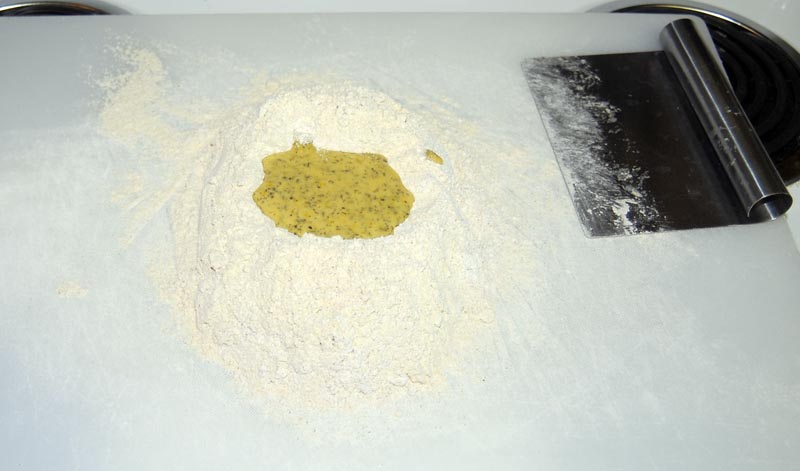
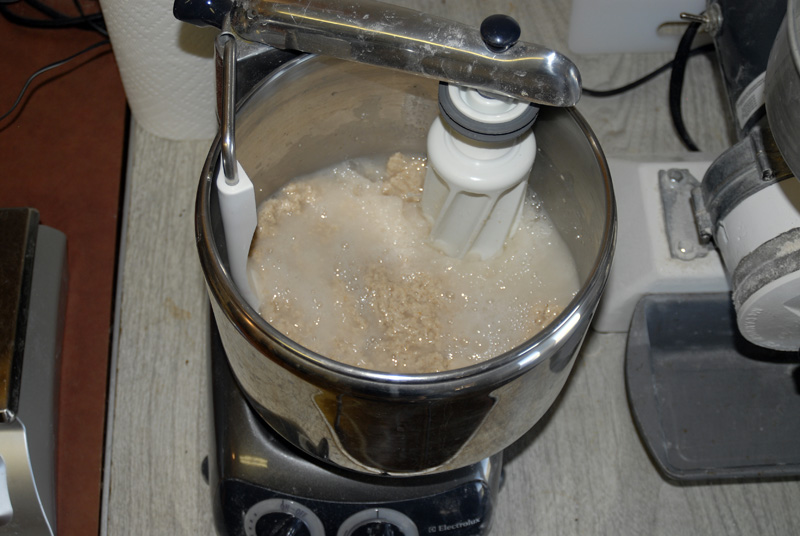
 So this batch of flour was malted.  I used a scant 1/8 teaspoon of diastatic malt to 15 oz of flour and blended it thoroughly.  I then proceeded to do my levain build for my baguettes.
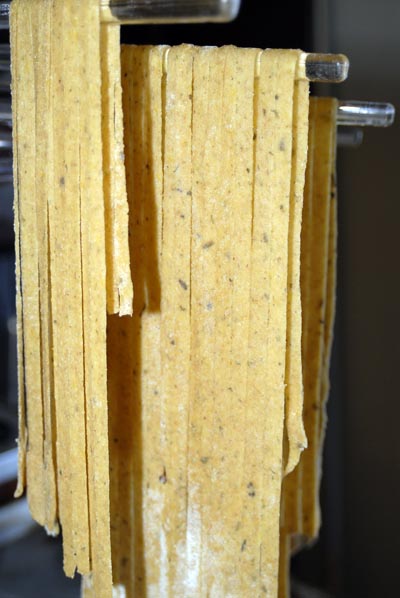
 This time the levain was very comparable to that prepared with commercial flour.  If I was forced to find a difference, it would be that it was ever so slightly darker in color.

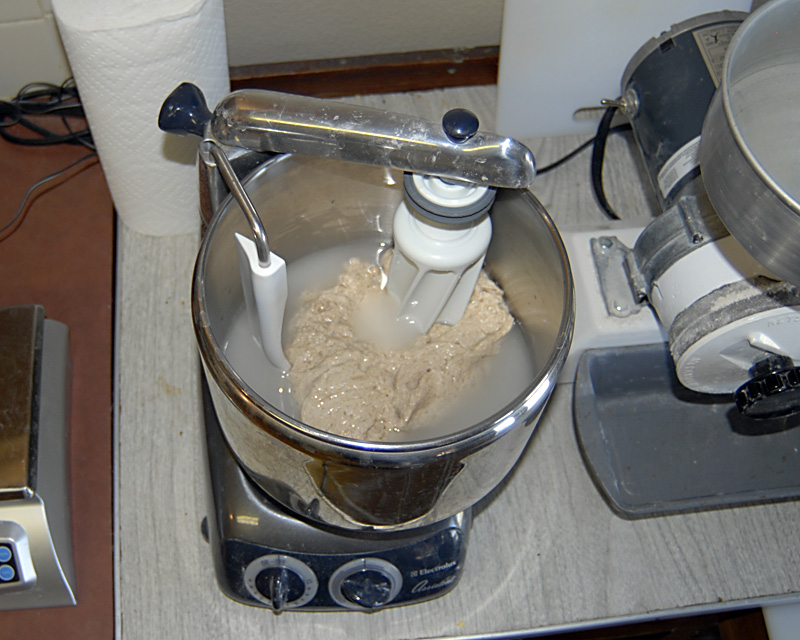
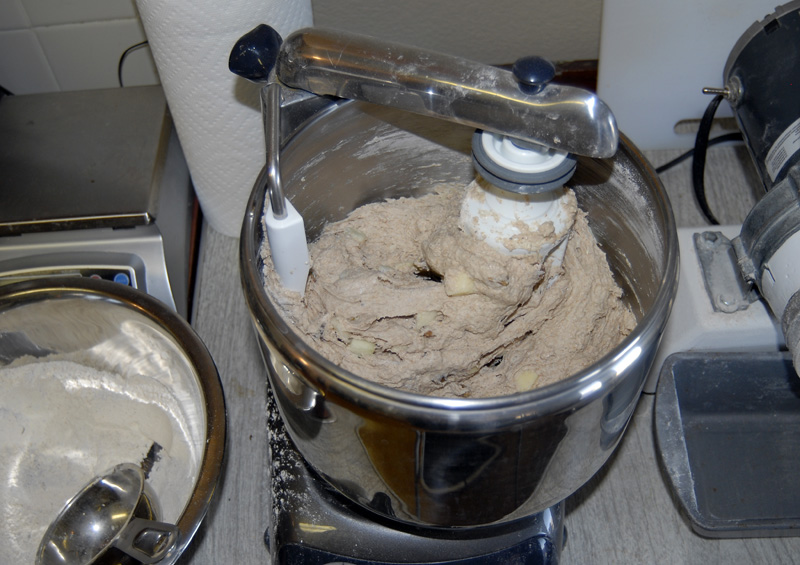
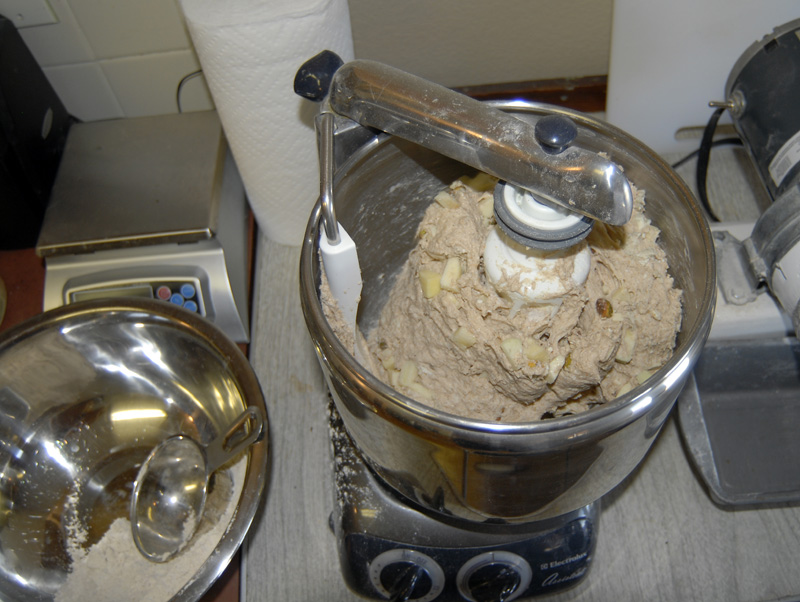
 The mixing of the dough went as I would have experienced with commercial flour.

 The bulk fermentation was also very much like what I have experienced with commercial flour, and, truth be told, it was a bit more lively than my last week's batch.

 During shaping, I felt no real difference this time; it felt like what I bake every week.

 After an hour for the final ferment, the loaves felt properly "proofed" which is what I would expect from commercial flour.  They were loaded, the oven steamed "as usual" and baked.

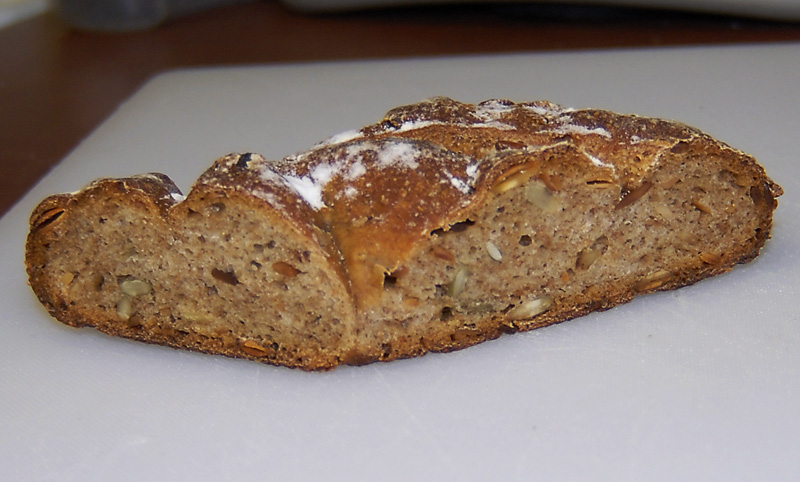
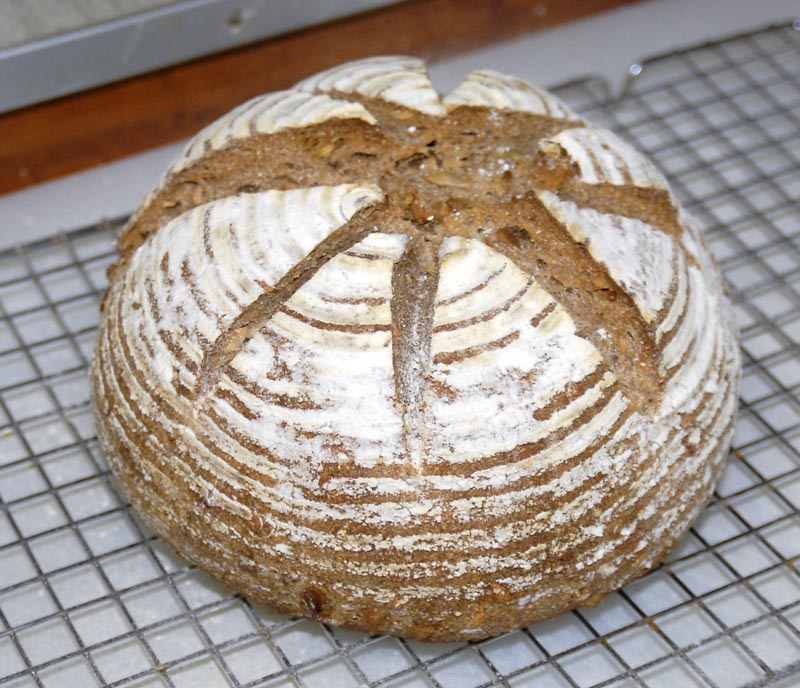
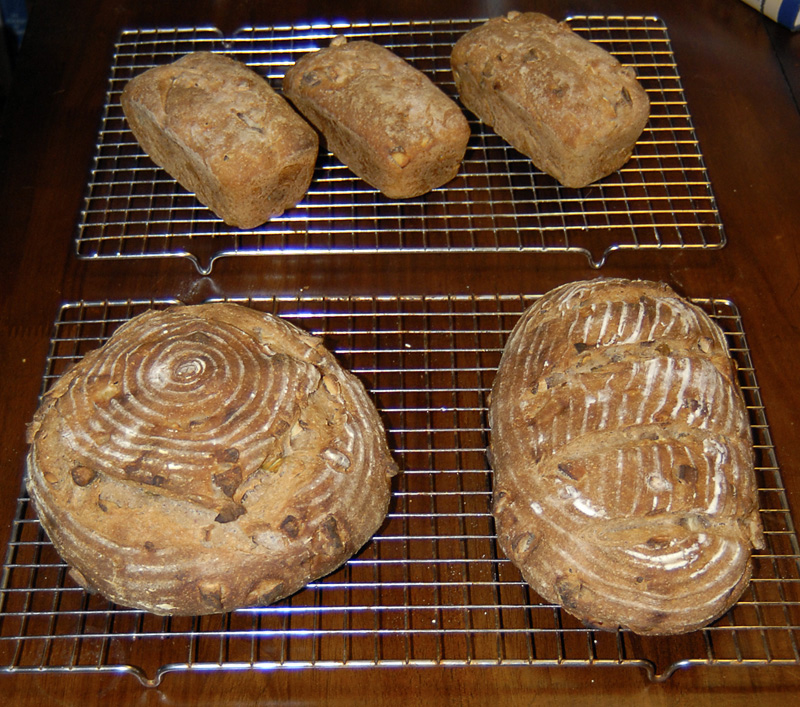
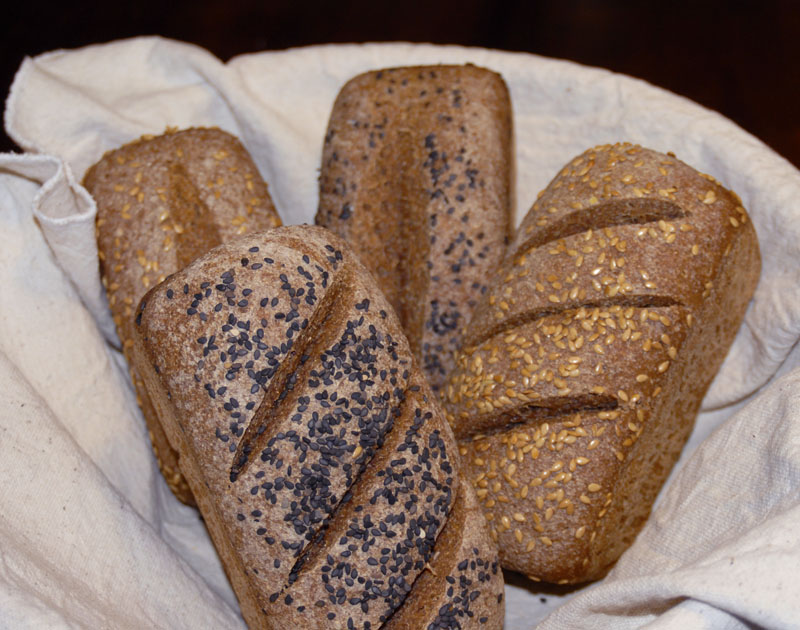
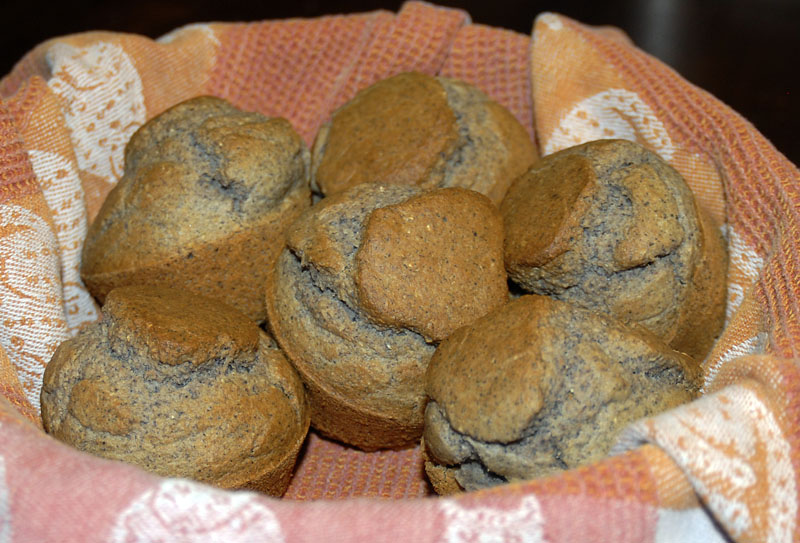
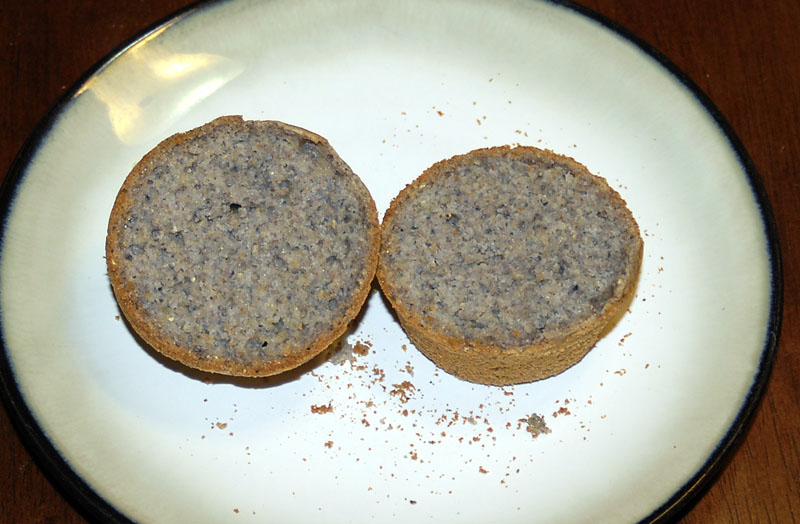
 The final result is pictured below.  Alas, the passing week has not improved my photography skills.

Hand Milled Crust

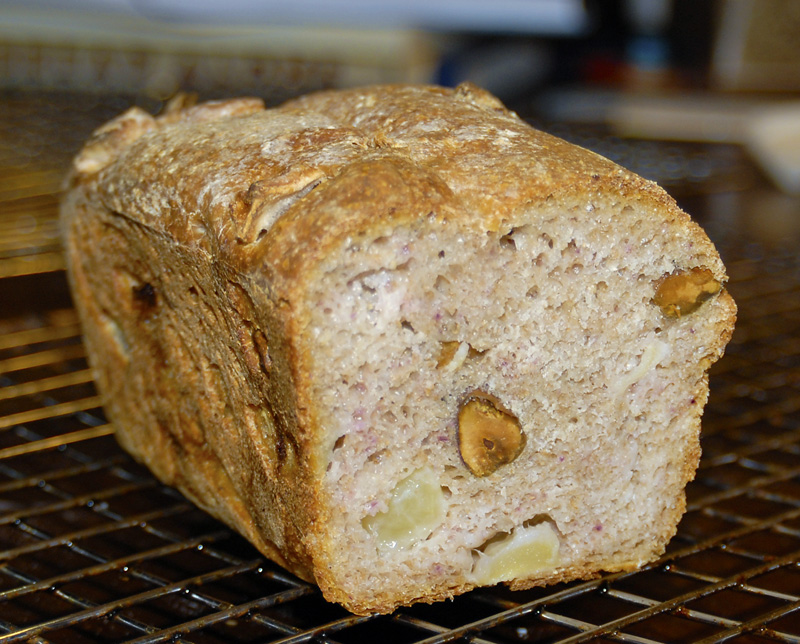
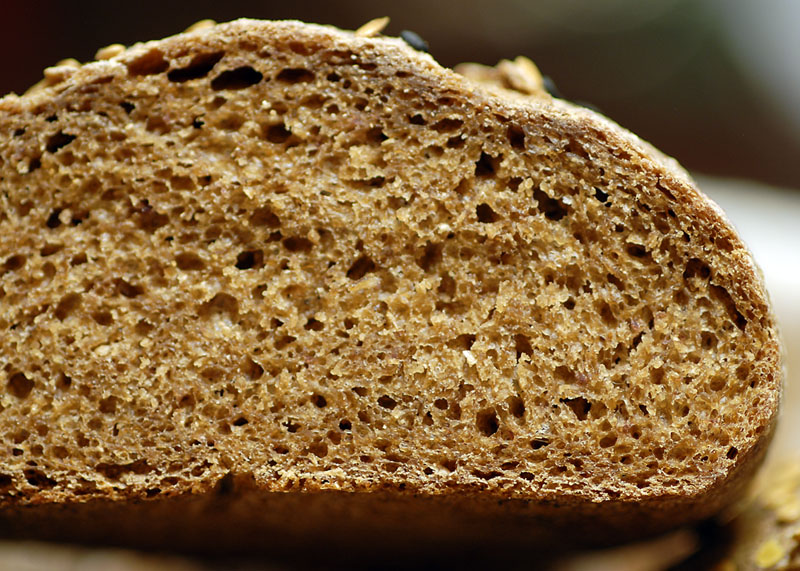
Hand Milled Crumb


Compared to last week's loaves these are much better balanced.  The sacrifice in grigne comes from a more thorough final ferment.  The more thorough fermentation process has produced that good old open crumb that I have come to expect from commercial flour.  It had the proper translucent quality and was not a bit gummy (as it would be if I over malted.)

 The taste?  Like I baked with commercial flour.  I like it, but it really isn't much different than what I bake every week.

 Would I mill this flour again?  Perhaps.  With a yield of 15 oz of flour from 2 pounds of wheat berries, one must regard this as a luxury flour.  The increment in taste - except for that sweet, sweet taste that comes from knowing that I can hand mill a flour that is every bit as good as a high quality commercial flour - is not really worth the effort.  The dramatic change in fermentation behavior must be attributed to the malting of the flour.  Remember it is less than .05 oz per 15 oz of flour - as we see; a little goes a long way.  What I may work at is developing a semi-white flour and make sure that I malt it properly.

 When I pick up a sack of all purpose flour, I handle it gently.  I have a deep appreciation for what this really means.

 Happy Milling!

Submitted by proth5 on February 27, 2009 - 5:08pm

White Flour Project - Second Milling

For the few and the brave following this march to insanity, I did a second milling of white flour today.

This time, I followed the same process as in the first milling run, but after removing about 20% of the bran weight, cranked the mill down to its finest setting and milled what remained.

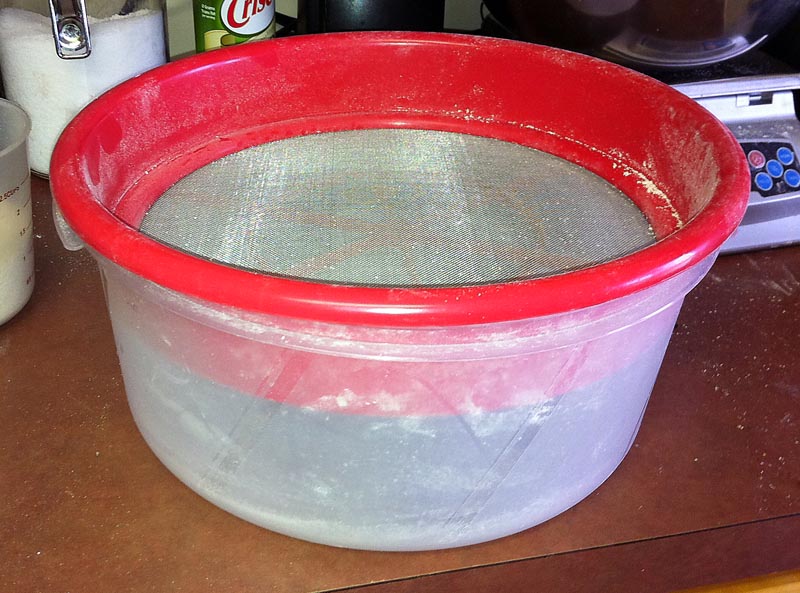
I then sifted through my #100 sieve (0.06" openings) and got a tiny bit of pure white flour.  I returned what remained in the sieve to the mill and remilled it (at the same setting).  After six passes this way, small flecks of bran began to sift through and I stopped the process.

What did I get for this? Pure white flour.  Looking at it and feeling it, I am unable to tell it from my King Arthur All Purpose - which may be good, or not.

For this I paid a price.  I was only able to get 15 oz of flour from 2 pounds of wheat berries.  What was left behind was not all bran, but it was milled to a silky texture.  I believe the French term for this is remoullage.  And that's certainly what I did - I remilled it.

Again, we wait.  Despite folklore on "within 72 hours or then it must be aged" the explanation that I accept about flour aging seems not to support this practice.  If we are trying to get oxygen to bond with certain molecules in the flour, I don't know why they would get an exemption from this for 72 hours.  Be back in 4 weeks...

Anyone with suggestions on how I might change my process to get a higher yield is most welcome to comment.  After all - I'm just making this up as I go along.

Now I really must get to milling the high extraction flour for my bake this week.

Happy Milling!

Submitted by proth5 on February 25, 2008 - 4:39pm

Flour Milling Lab Results

I am creating a new blog entry to discuss bwraith’s flour test results just to move it up as his original entry was getting old.  I admit we’re going overboard on this, but I find it all very interesting (no pictures- just discussion of flour test results) – so be warned!

Letters in my responses correspond to letters on bwraith’s test results.

Submitted by proth5 on February 16, 2008 - 8:25am

Smackdown! Fresh vs Aged Home Milled Flour

Since the discussion continues on aging flour, this week I had the opportunity to mill and bake all in one day and I thought I would document the results.

Submitted by proth5 on February 14, 2008 - 3:59pm

Home Milled Flour

For those of you who have followed bwraith’s adventures in artisan milling – and I commend them to all – let me say that I am nowhere near his level of attention to detail and analytics. I just thought I might post as I’ve taken an approach that is more accessible to the average home miller.


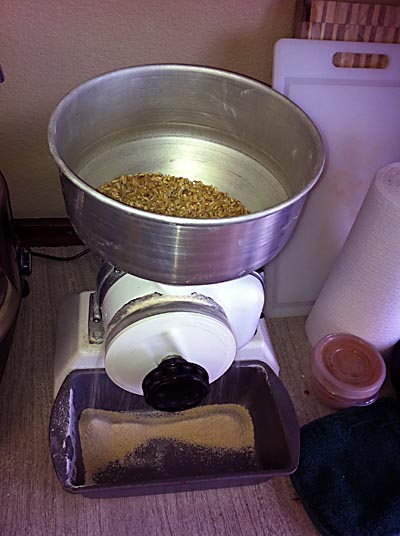
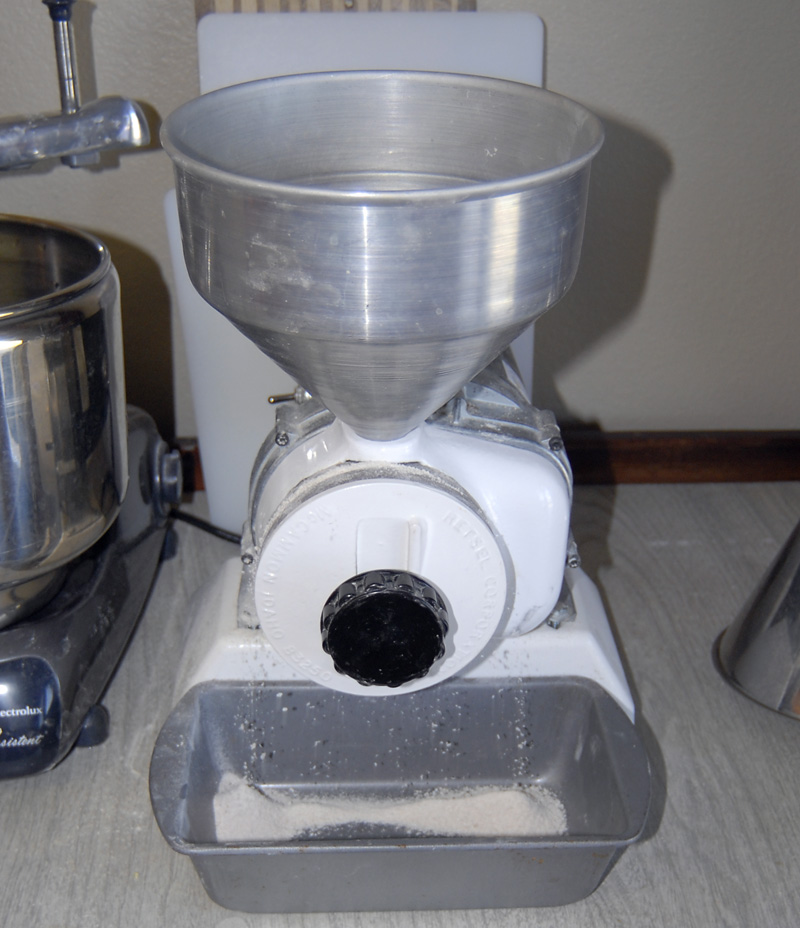
I am milling on a Diamant 525 which is hand powered and uses metal grinding plates. I hand sift using plastic sieves. Here is a picture:

Submitted by EsmereldaPea on February 1, 2008 - 1:03am

Fresh-ground Rye

Have not been on to the forums in some time, nor done much baking, but am ready to jump back into it with both feet!

I just read the thread on Rye, and thought I'd start a thread dedicated to rye.

Submitted by fleur-de-liz on October 28, 2007 - 7:20am

Discussion on grain milling

Since Floyd was kind enough to give us a forum to discuss grain milling, let's continue the discussion!

I am very new to milling, having purchased a Nutrimill grain mill about a month ago.  My experience thus far: